
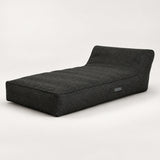






What is olefin fabric for outdoor use in Australia? A practical guide
Share
Quick answer: olefin is a polypropylene fibre that is woven into outdoor fabric. When it is solution-dyed, it resists fading, does not absorb water and handles chlorine and salt, which is why it shows up on outdoor furniture, boat cushions and the better fabric pool floats sold in Australia.
If you are comparing outdoor cushions, umbrellas or pool floats, the fabric label matters more than the photos. This guide explains what olefin is, how it is made, why it suits Australian conditions, how it compares with the alternatives and how to look after it.
What olefin actually is
Olefin is the textile name for fibres made from polyolefins, mostly polypropylene. You will also see it labelled as polypropylene fabric or PP fabric. It is a synthetic fibre, like polyester and acrylic, but it behaves differently. It is very light, it floats, and it holds almost no water. Where cotton soaks water up and polyester takes on a little, olefin barely absorbs any, so it dries quickly and gives mould little to live on.
How it is made
Polypropylene pellets are melted and pushed through fine holes to form continuous fibres, which are then spun into yarn and woven. The important step is when the colour goes in.
- Solution-dyed: pigment is mixed into the melted polymer before the fibre is formed. The colour runs right through every fibre, like a carrot rather than a radish.
- Piece-dyed or printed: colour is added to the surface of finished fibre or fabric. It can look the same on day one but fades faster in strong sun.
For outdoor use in Australia, solution-dyed is the one you want.
Why it suits Australian conditions
- UV: much of Australia sees UV levels that the Bureau of Meteorology rates extreme through summer. Solution-dyed olefin holds its colour far better than printed fabric because there is no surface dye to bleach. Read more on sun, heat and UV fading.
- Humidity: in Darwin, Cairns and Townsville, anything that stays damp grows mould. Because olefin does not absorb water, it dries fast and resists it.
- Chlorine and salt: olefin is chemically resistant, so pool chemicals and salt chlorinators do not break it down. A fresh water rinse is still good practice.
- Heat: a woven fabric surface stays more comfortable to lie on than smooth vinyl that has been sitting in the sun.
- Weight: it is one of the lightest textile fibres, which keeps floats easy to carry and quick to dry.
Olefin vs other outdoor fabrics
| Fabric | Fade resistance | Water absorption | Typical use |
|---|---|---|---|
| Solution-dyed olefin | High | Very low | Outdoor cushions, marine upholstery, premium pool floats |
| Solution-dyed acrylic | Very high | Low | Premium outdoor upholstery and awnings |
| Polyester (printed) | Moderate | Low | Budget outdoor cushions and bean bags |
| PVC (vinyl) | Varies | None | Standard inflatables, gets hot and can crack in sun |
Acrylic is excellent but heavier and costlier. Polyester is fine under cover. PVC is a film rather than a fabric, which is why it heats up and why most cheap inflatables do not last. Our pool float materials guide goes deeper.
Olefin on pool floats
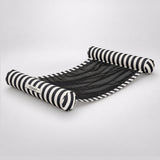
A fabric pool float uses an outdoor fabric cover over an inflatable core. Every Poolboy float, the Floata-Long, Floata-Round and Sinka-Bit, uses a solution-dyed Olefin cover over a welded TPU core. The cover takes the sun, the chlorine and the knocks. The welded core holds the air. See the materials page for the detail, or our guide to welded TPU cores.
Looking after olefin
- Brush off dry dirt and leaves.
- Wash with mild soap and lukewarm water, then rinse well.
- Air dry, ideally in the shade.
- Avoid heat. Olefin has a low melting point, so no clothes dryers, hot irons or leaving it against a hot barbecue.
- Store dry and out of the weather over winter.
The full routine is in our fabric float care guide.
FAQ
Is olefin better than polyester outdoors?
For full sun and regular water contact, solution-dyed olefin generally holds its colour and sheds water better than standard printed polyester.
Is olefin waterproof?
The fibre itself absorbs almost no water, but a woven fabric is not a sealed membrane. Water passes through the weave and drains away, which is why it dries fast.
Does olefin fade in the sun?
Solution-dyed olefin is highly fade resistant because the colour is part of the fibre. Any outdoor fabric will change slowly over years of full sun, so storing it out of the weather when not in use helps.
Is olefin the same as polypropylene?
Olefin is the textile term. Most olefin fabric is made from polypropylene.
