


Pool loungers New Zealand: A guide to choosing the right outdoor recliner
Key Takeaways
Choose a lounger around how you plan to use it, the space you have and how much care it needs. A little measuring and checking goes a long way.
- Decide whether you want a fixed, adjustable, folding or floating style.
- Check fabrics and frames for outdoor exposure, moisture and drying time.
- Compare dimensions and support with the people who will use the lounger.
- Leave clear walking space and consider shade before arranging the poolside area.
- Follow care guidance and inspect the lounger regularly to help it last.
1. Compare pool lounger styles
Pool loungers suit different routines: some stay on the deck, while others move into the water or fold away after use. Think first about where you expect to relax and whether you want to change positions. The right style is the one that fits your pool, storage space and habits.
Fixed loungers for a simple, sturdy setup
A fixed lounger keeps things straightforward: it stays in one place and offers a consistent surface for sitting back or stretching out. This can work well if you have a dedicated poolside spot and do not need to move the lounger often. Check the frame and footprint before buying, since a sturdy design may be less convenient to store or reposition.
Adjustable-back loungers for changing positions
An adjustable back lets you move between more upright and reclined positions without changing furniture. That flexibility can be useful when you want to read, chat or lie back in the same spot. Check how the backrest locks into place and whether the different angles feel comfortable to you.
Folding loungers for flexible storage
A folding model can be practical when you need to clear the deck or put furniture away between uses. Look at how it opens and closes, and check the folded dimensions against your storage area. A lighter frame may be easier to carry, but it should still feel stable when set up.
Floating loungers for use in the pool
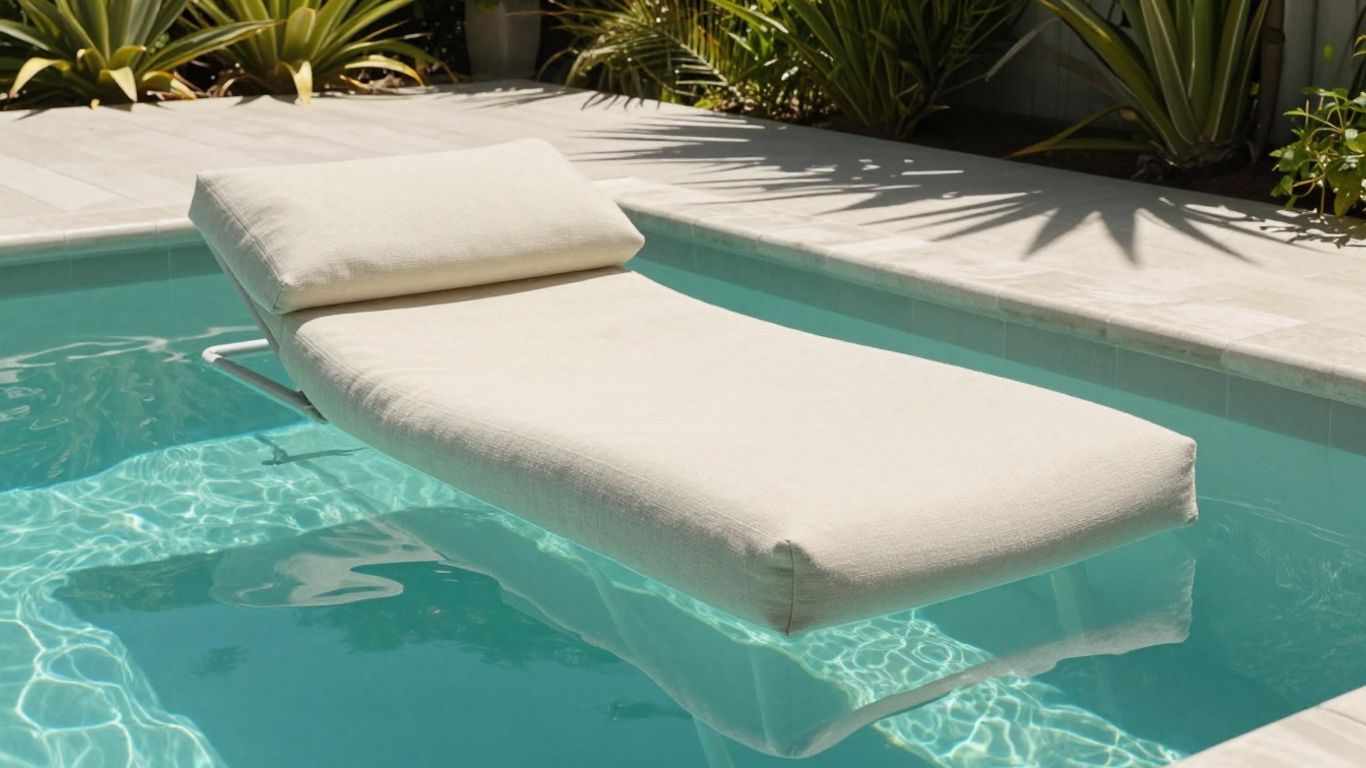
Floating loungers are designed for relaxing in the water, so they are a different choice from a deck chair. For example, the Poolboy Floata-Long fabric lounger is a lounger for one, made with Olefin fabric and a welded TPU core. Consider how you prefer to rest in the pool and how you will inflate, move and store the float between swims.
A short video can help you picture how different floating styles sit in the water, though a product’s dimensions and materials still deserve a close read.
Use the format that suits your pool and posture rather than choosing by appearance alone; a fixed poolside recliner and a floating lounger serve different purposes.
2. Choose materials for New Zealand conditions
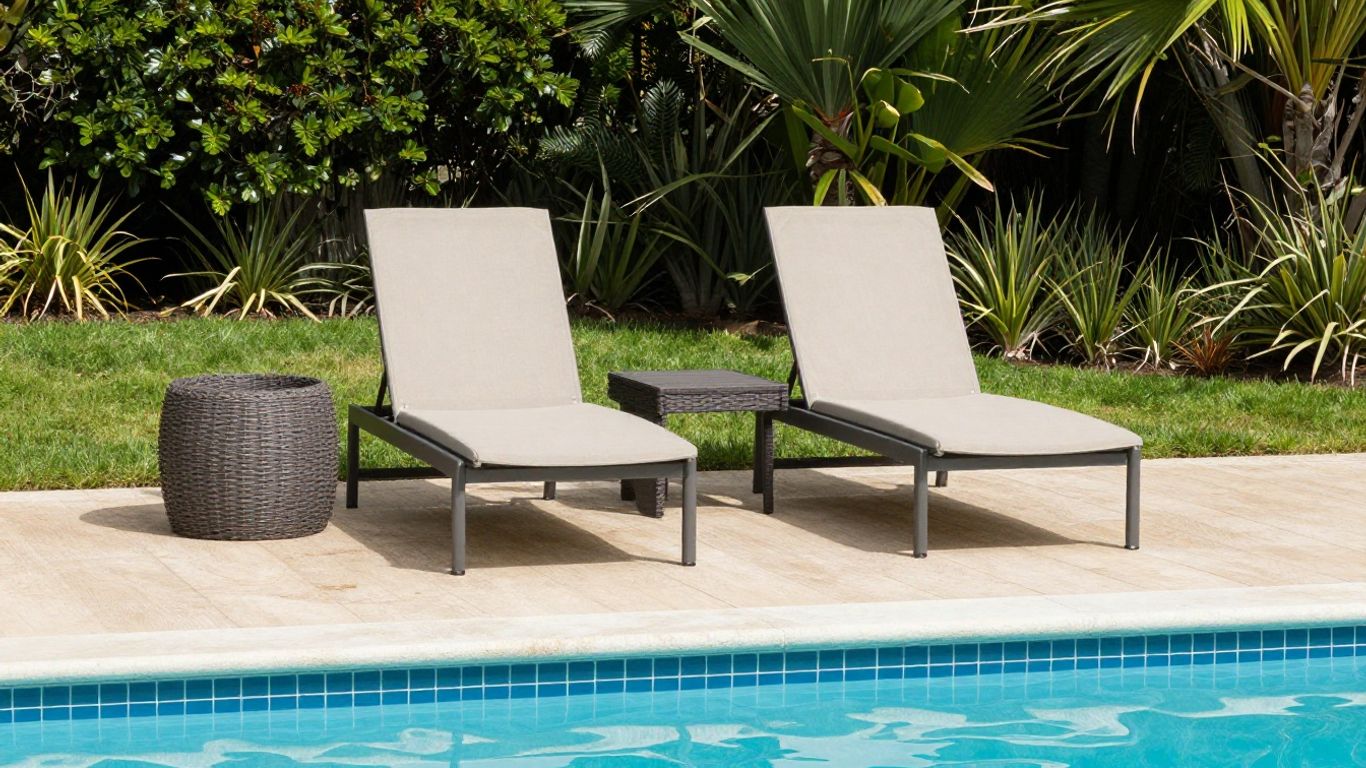
Outdoor furniture can face strong sun, moisture and regular contact with pool water. New Zealand conditions vary by location, so consider the exposure at your home rather than relying on a broad label such as “outdoor suitable.” Poolboy offers three products made with solution-dyed Olefin fabric and a welded TPU core; for any lounger, read the maker’s care and material details before you buy.
UV-resistant fabrics for sunny outdoor areas
If your lounger will sit in direct sun, check whether its fabric is described as UV-resistant and how the manufacturer recommends caring for it. UV exposure can affect outdoor materials over time, and a cover or shaded position may help limit exposure when the lounger is not in use. Ask for clear material information rather than assuming every outdoor fabric behaves the same way.
Rust-resistant frames for poolside moisture
Frames and fasteners may encounter splashes, damp air and cleaning water, so check what they are made of and how they are finished. The table below is a starting point for questions to ask, not a guarantee that one material is right for every poolside setting.
| Frame or hardware detail | What to check | Practical question |
|---|---|---|
| Aluminium frame | Finish and care instructions | Is it suitable for the exposure at your pool? |
| Stainless-steel fasteners | Grade and placement | Are all exposed fittings specified? |
| Coated steel frame | Coating condition and maintenance | How should scratches or chips be handled? |
Use the manufacturer’s specifications to compare complete loungers, including joints and fittings, rather than focusing on the main frame alone. A good care routine still matters, particularly if the lounger is regularly splashed.
Quick-drying surfaces for frequent use
A surface that dries promptly can be more convenient when the lounger is used often or gets wet throughout the day. Look for a description of the fabric or mesh and check whether cushions need to be removed to dry separately. Drying time matters when you want to sit down again soon after swimming, but follow the care guidance for the specific material.
Lightweight materials for easy repositioning
If you plan to move loungers to follow the sun or make room for guests, consider the complete unit’s weight and how easy it is to grip. A lighter design can be easier to shift, while a bulky or awkwardly shaped one may be difficult to carry even if its listed weight seems manageable. Check whether the lounger can be moved safely by one person.
3. Find a comfortable fit
Comfort depends on your body, preferred posture and the surface beneath you, not just on a product description. If you can, compare the lounger with the way you expect to use it: sitting upright, reading, resting or stretching out. A pool lounger buying guide can also help you compare style, fit and material questions before you shop.
Check seat height and overall dimensions
Measure the lounger’s length, width and height, then compare those figures with your available space and the people who will use it. Seat height can affect how easy it is to sit down and stand up, while overall length matters if you want to lie fully outstretched. Do not forget to check the dimensions when the back is raised or the lounger is folded, if those positions apply.
Look for adjustable positions and supportive contours
An adjustable back can make it easier to change posture, while a shaped surface may feel more supportive than a flat one. Neither feature is automatically better: it depends on how you like to rest and whether you want to move between positions. Check that adjustments are easy to use and stay in place.
Consider cushions, mesh, and other surface options
Cushions can add softness but may need extra care and drying time. Mesh can feel different against the skin and may allow water to drain, while a fabric surface can provide a more continuous place to rest. For a half-submerged position, the Poolboy Sinka-Bit hammock has a mesh centre, Olefin bolsters and a welded TPU core; compare that style with a conventional lounger before deciding what feels right.
Try the lounger if you can before buying
A brief test can reveal details that are hard to judge from a photograph, such as the feel of the surface, the angle of the back and how easy it is to get on and off. If you cannot try it in person, check the full dimensions, product images, returns terms and any stated weight limit. Ask specific questions before ordering if an important detail is missing.
4. Plan your poolside layout
A comfortable pool area needs space not only for loungers but also for people to move around them. Start with the deck or patio dimensions, then consider doors, steps, pool access and any furniture that will share the area. A quick plan on paper can prevent a crowded arrangement once the loungers arrive.
Measure the available deck or patio space
Measure the area where each lounger could go, including the space it takes up when fully reclined. Note fixed features such as fences, planters and pool equipment, as well as places where you need clear access. If you are considering outdoor furniture beyond loungers, browse weather-ready outdoor furniture for ideas about coordinating pieces and materials.
Leave room to walk safely around loungers
A path that looks clear on an empty deck can feel narrow once chairs, towels and people are in place. Before settling on a layout, make a simple list of the routes you want to keep open:
- Keep the route between the house and pool clear.
- Leave room to get in and out of the water safely.
- Avoid blocking gates, steps or access to pool equipment.
- Allow space to move a lounger without bumping into another one.
Walk through the arrangement before buying, and adjust the positions if the route feels tight. The best layout is easy to use on an ordinary pool day, not just when every chair is perfectly lined up.
Match lounger sizes to the number of users
Consider how many people are likely to use the poolside area at once, and whether everyone needs a full-length lounger. A mix of seating and reclining options can make better use of a compact deck than filling it with oversized pieces. Check each product’s actual footprint rather than estimating from its appearance online.
Consider shade, privacy, and sun exposure
Think about where the sun falls at different times of day and whether you want a mix of sunny and shaded spots. Nearby trees, umbrellas or shade structures can affect both comfort and how quickly surfaces dry. Consider privacy too, while keeping views and access around the pool practical.
5. Balance price, quality, and durability
Price is only one part of the decision; construction, care needs and expected use also matter. Compare similar styles and check what is included, from cushions to pumps or covers where relevant. A pool lounger shopping guide can help you review fit, care, delivery and returns before committing to an online purchase.
Compare frame construction and weight limits
Look at how the frame is assembled, how the joints are secured and whether the product lists a maximum user weight. Compare like with like: a poolside recliner and an inflatable lounger may have different construction details and intended uses. If a weight limit or assembly detail is not stated, ask the seller rather than guessing.
Check warranties and replacement-part availability
Read the warranty terms to understand what is covered, for how long and what conditions apply. Find out whether common parts can be replaced and whether the seller provides instructions for repairs or maintenance. Those details can be useful if a small component wears out before the rest of the lounger.
Weigh upfront cost against expected lifespan
A lower purchase price may be appealing, but consider how often you will use the lounger and how much care it requires. Look for clear construction details, material specifications and maintenance guidance, then compare those with your budget. It is more useful to judge the value of a product you will actually use than to pay for features that do not fit your routine.
Review delivery fees and return policies
Check delivery costs, estimated timing and whether the item ships assembled or needs setup. For a bulky lounger, confirm how returns work and whether return freight is your responsibility. Keep the packaging until you have checked the product and confirmed it suits the space.
6. Care for loungers throughout the year
Regular, simple care can help keep a lounger in good condition, though the right method depends on its materials. Follow the manufacturer’s instructions and avoid assuming that a cleaning method safe for one surface is suitable for another. Give wet loungers time to dry before covering or storing them.
Rinse off pool chemicals and salt residue
After use, rinse surfaces that have been exposed to pool water or salt spray with fresh water if the care guidance allows it. Pay attention to seams, joints and fittings where residue may collect. Let the lounger dry before putting on a cover or packing it away.
Clean fabrics according to manufacturer guidance
Check the label or care instructions before using soap, a brush or a cleaning product. Some fabrics may need only a gentle rinse, while other surfaces have specific cleaning requirements. Test any permitted cleaner on a small, less visible area first.
Store or cover loungers during harsh weather
When severe weather is expected or the lounger will not be used for a while, follow the maker’s advice about covering or storage. Folding designs may fit into a sheltered area, while floats should be dried and stored in the way their instructions specify. A cover should not trap moisture against a damp surface.
Inspect joints, fasteners, and surfaces regularly
A quick check at the start of the season and from time to time during regular use can help you spot loose fittings, worn surfaces or damage. Tighten or replace parts only as directed by the manufacturer, and stop using a lounger if it no longer feels stable. Small issues are easier to address before they affect safe use.
Conclusion
The right pool lounger for your New Zealand home comes down to how you like to relax, the space you can give it and the materials you are prepared to care for. Compare the details, measure before you buy and choose a style that fits your everyday pool routine.
Frequently Asked Questions
What is the difference between a poolside lounger and a floating lounger?
A poolside lounger sits on a deck or patio, while a floating lounger is designed for use on the water. Choose based on where you want to rest and how you plan to store it.
How do I choose the right size pool lounger?
Compare the product’s full dimensions with your space and the people who will use it. Check its length when reclined and leave room to walk around it.
Are adjustable pool loungers worth considering?
They can be useful if you want to switch between sitting and reclining. Check that the adjustment mechanism is easy to operate and that its positions suit you.
What materials should I look for in an outdoor lounger?
Check the material specifications for the frame, fittings and surface, along with guidance for sun and moisture exposure. The manufacturer’s care instructions are part of the comparison.
How much space should I leave around a lounger?
Leave enough room to move around it and keep clear routes to the pool, steps, gates and equipment. The exact layout depends on your deck and the lounger’s dimensions.
How should I clean a pool lounger?
Follow the manufacturer’s instructions for its specific materials. Rinse away residue when appropriate, use only recommended cleaning products and let the lounger dry before storage.
Can pool loungers stay outside all year?
That depends on the product and the weather exposure. Check its care guidance and use a suitable cover or sheltered storage during harsh conditions if recommended.