


Pool loungers New Zealand: A practical guide to choosing the right outdoor seat
Key Takeaways
Choose a lounger around the way you actually use your pool, then check that its materials, dimensions, and care needs fit your space.
- Pick a style that suits how you relax, whether you prefer sitting upright, reclining, or floating.
- Compare frame and fabric materials for sun, splashes, and the conditions where you live.
- Measure the space and check the lounger’s full dimensions before ordering.
- Test comfort, adjustability, stability, and practical features rather than relying on appearance alone.
- Plan for shade, storage, rinsing, and off-season care to help your lounger last.
Choose a lounger style that suits how you relax
The best choice depends less on how a lounger looks in a product photo and more on how you plan to use it. Think about whether you want a steady seat for conversation, a place to stretch out, or something that floats in the water. If you’re comparing pool loungers New Zealand buyers can choose from, start with that everyday use, then consider the space and upkeep each style requires.
Upright loungers for reading and dining
An upright lounger keeps you raised enough to read, chat, or reach a side table without sitting fully upright in a dining chair. It can suit a poolside spot where you spend as much time talking as sunbathing. Check whether the back support feels comfortable for more than a few minutes, and whether the arms or seat height make it easy to settle in and get back up.
Reclining loungers for adjustable comfort
A reclining lounger gives you a choice of positions, which can be useful when you move between reading and resting. Check how the back adjusts and whether it stays put when you lean against it. A fixed lounger may be simpler, but an adjustable one makes sense if different people will use it or you like to change position during the day.
Floating loungers for time in the pool
A floating lounger is designed for relaxing on the water rather than just beside it. Consider whether you want to lie flat, sit within a supported ring, or keep part of your body in the water. The Poolboy Floata-Long is a fabric pool lounger designed for one person to lie flat, measuring 160 cm long. Think about how you’ll get on and off it, and where it will be stored between swims.
Double loungers for shared spaces
A double lounger gives two people room to share a poolside spot, but it needs more floor space than two compact seats. It may suit a wide patio or a permanent lounging area, especially if you want a place to sit together rather than separate chairs. Before buying, check that both sides offer comfortable support and that the overall width still leaves a clear route around the pool.
Compare materials for New Zealand conditions
Outdoor furniture is exposed to more than the occasional splash: strong sun, changing weather, and pool treatments can all affect how it looks and feels over time. Compare the whole construction, including the frame, fabric, joins, and any cushions you’ll need to store. A material that is easy to move may be a better fit for a small patio, while a heavier frame can feel more settled in a permanent spot.
Aluminum frames for lightweight, low-maintenance use
Aluminum frames are worth considering if you want seating that is relatively easy to move around the patio. Look closely at the finish and the way the frame is joined, as those details affect both appearance and upkeep. If the lounger will be left outdoors, check the care instructions rather than assuming every finish will respond the same way to sun and moisture.
Timber frames for a natural look
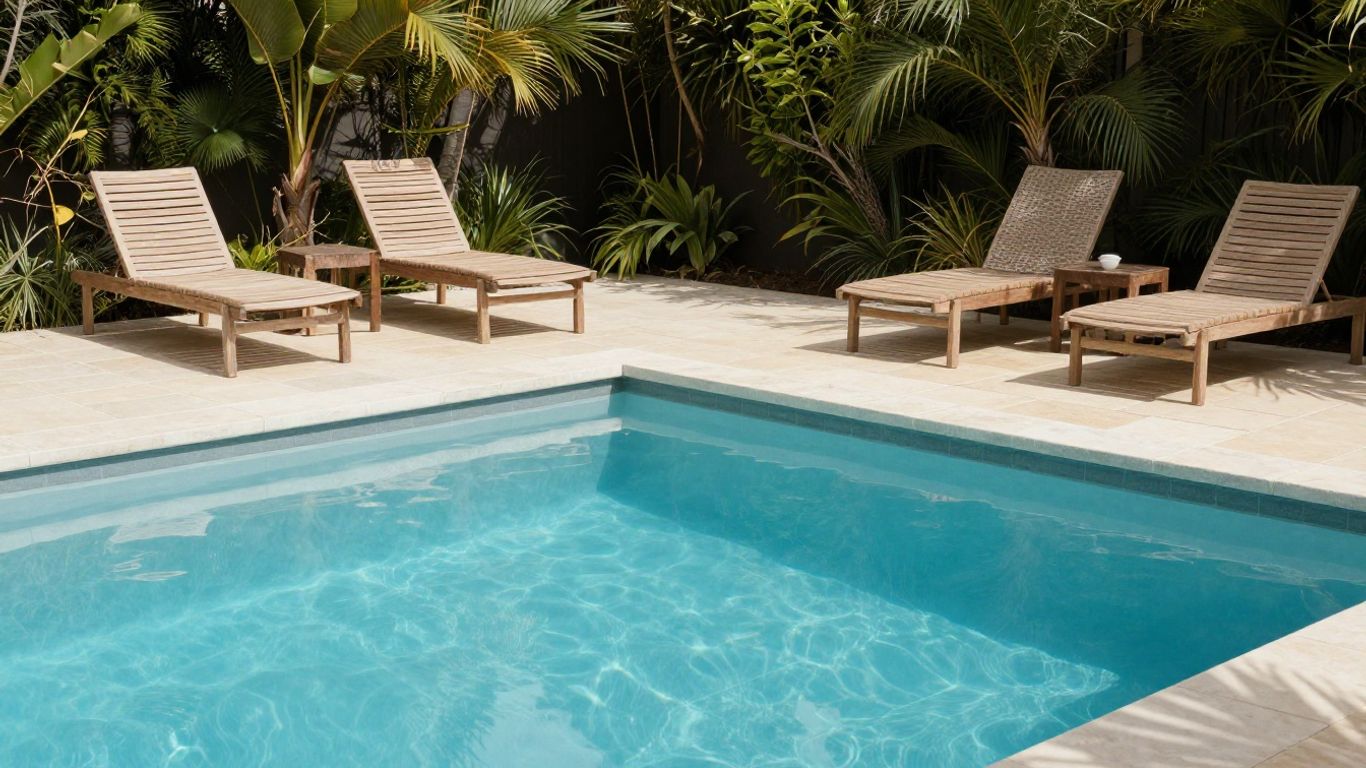
Timber can bring warmth to a deck or garden setting, and it pairs naturally with plants and other outdoor furniture. Different timbers and finishes have different care needs, so ask what maintenance is recommended and how often it should be done. If you prefer a low-effort setup, factor that routine into the choice instead of deciding on looks alone.
Resin wicker for a woven finish
Resin wicker offers a woven appearance without using natural wicker outdoors. The underlying frame still matters, as do the quality of the weave and how easily you can clean between strands. Check the product guidance for sun exposure and storage, particularly if the lounger will sit in an uncovered area for much of the season.
Fabrics and mesh that handle sun and splashes
Fabric and mesh can feel different from a solid seat, and they may let water drain rather than hold it against the surface. Construction varies, so look at the fabric type, seams, and the maker’s care instructions. For a pool float made with solution-dyed Olefin fabric over a welded TPU core, the fabric-built pool floats page gives a product-specific example of how materials and construction can be described. The material matters, but so does whether you can dry and store the item properly.
A quick comparison can help you decide which trade-offs matter most. Use it as a starting point, then confirm care and weather guidance for the exact model you’re considering.
| Material or construction | What to consider | A practical question |
|---|---|---|
| Aluminum frame | Weight and finish | Will you move it often? |
| Timber frame | Finish and maintenance | Are you comfortable with routine care? |
| Resin wicker | Weave and cleaning access | Can you clean between the strands? |
| Fabric or mesh | Drainage, seams, and drying | Where will it dry and be stored? |
A useful way to narrow the choices is to picture your ordinary routine, not just a sunny afternoon. If a lounger needs to be moved, cleaned, or put away after each use, those small tasks will become part of owning it.
Find the right size and fit
A lounger can look compact online and still take up a surprising amount of room once you allow space to walk around it. Measure the area where you expect to use it, including the path between the house, pool, and seating. Then compare those measurements with the product’s full dimensions and consider how its footprint changes when reclined or folded.
Measure the poolside area before you buy
Measure the available length and width, and note anything that limits placement, such as steps, doors, garden edges, or a pool cover. If you plan to use a side table or umbrella nearby, include that space too. A simple layout marked on the ground can help you judge the footprint before a delivery arrives.
Check the lounger’s length, width, and folded dimensions
Product dimensions tell only part of the story. Check the length with the back fully reclined, the width at the arms or widest point, and the folded size if you’ll store it indoors. For a floating style, check its dimensions in use as well as how it packs away; the Poolboy Sinka-Bit, for example, is a floating hammock with a quick-draining mesh center that lets you sit half in the water.
Consider seat height and ease of getting in and out
Seat height affects how easy it is to lower yourself into a chair and stand again. If you have mobility concerns, or will be sharing the lounger with someone who does, try sitting on something at a similar height before ordering. Also consider how the frame, arms, or cushions affect the space you need to move comfortably.
Leave enough space to move around furniture
A workable layout needs clear routes, not just a lounger that fits inside the measured rectangle. Before settling on a size, account for the small movements you make every day: carrying towels, walking around a reclining back, and reaching the pool without squeezing past furniture. These checks make it easier to choose the right number of seats, too.
- Mark the lounger’s full footprint on the ground.
- Add room for its back to recline, if adjustable.
- Keep a clear route to the pool and nearby doors.
- Include space for side tables, shade, or stored cushions.
Walk the marked-out layout as you would on a normal pool day. If you have to turn sideways or move another chair to get through, choose a smaller footprint or a different arrangement.
Assess comfort, adjustability, and construction
Comfort is personal, so a detailed photo or a long list of features can’t tell you everything. If possible, try the lounger in person and notice how it supports your back, legs, and shoulders in the positions you’ll actually use. Pay attention to how the parts move and connect, because solid everyday construction matters just as much as a comfortable first sit.
Test recline positions and locking mechanisms
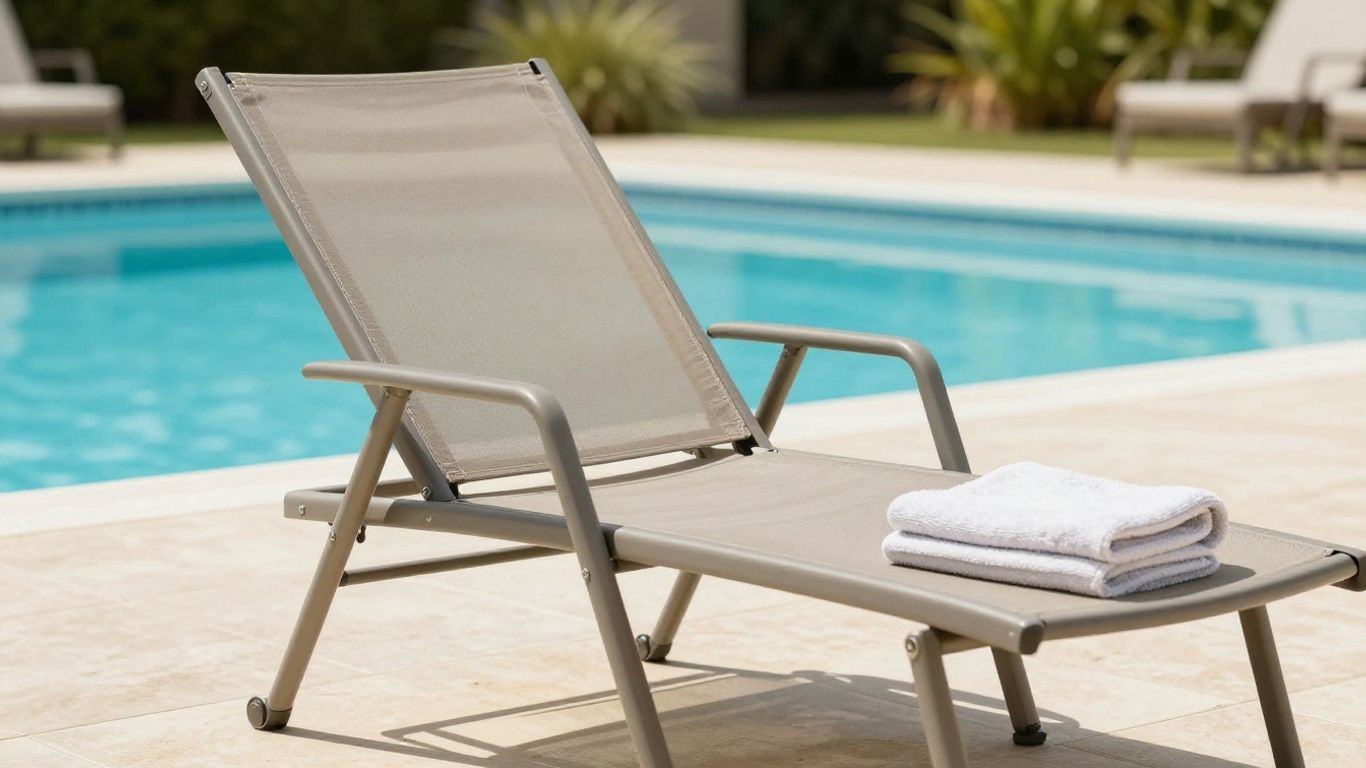
Move the back through each setting and check whether the adjustment feels straightforward. A mechanism should hold the chosen position without needing awkward force or careful balancing. If you’re shopping online, look for clear instructions on how the back locks and whether it can be adjusted while you’re seated.
Compare cushion support with quick-drying mesh
Cushions can feel soft and supportive, but they may need to be brought inside or dried after a shower or a day of splashing. Mesh offers a different feel and may let water pass through more readily, though support and tension vary by design. Consider where wet cushions will go and whether you want that extra storage step as part of your routine.
Check frame stability and weight capacity
Sit down, shift your weight, and see whether the frame feels steady on the kind of surface where you’ll use it. Check the stated weight capacity and follow the product’s guidance for use. For an inflatable lounger, look at its construction details and the instructions for inflation and care rather than treating it like a rigid chair.
Look for replaceable parts and practical features
Ask whether covers, fasteners, or other parts can be replaced if they wear out. Useful details might include a folding design, a carry handle, or an easy-to-reach adjustment, depending on where and how you use the lounger. Poolside advice can help you compare options for your space; you can request personalized lounger advice if you’re unsure what will suit your pool and routine.
Match loungers to your outdoor space
Your outdoor area will feel more considered if the loungers work with the furniture and circulation already there. Look at the colors, finishes, and shapes you have, but don’t feel obliged to match everything exactly. Sun exposure, available storage, and the number of people who use the pool are just as relevant as the overall look.
Coordinate colors and finishes with existing furniture
Start with the materials and colors already present on the deck, patio, or balcony. A neutral lounger can sit comfortably alongside several styles, while a stronger color can give the pool area a clear focal point. If you’re choosing fabric, check the available colors in natural light where possible; a small sample or in-person view can look different from a screen.
Choose compact options for balconies and small patios
On a balcony or narrow patio, a folding or stackable design can keep the space usable when you’re not lounging. Measure around railings and door swings, and check whether there is somewhere dry to store cushions or smaller accessories. The Poolboy Floata-Round is designed as a floating chair, with a 70 cm seat inside a 140 cm ring, so it suits a different use and footprint from a poolside frame lounger.
Plan shade and storage for exposed pool areas
A lounger in full sun may be comfortable at one time of day and unpleasant at another. Think about whether an umbrella, shade sail, or nearby covered area will suit your layout, and whether the furniture can be moved as the sun shifts. Decide where cushions and floats will dry and where they’ll be stored when not in use; an easy storage routine is more likely to happen.
Consider how many loungers your household will use
It’s tempting to furnish the whole pool edge at once, but a few well-placed loungers may serve your household better than a crowded row. Think about whether people tend to swim, sit and talk, or spend a long stretch reading outside. Match the number and style of seats to those habits, leaving enough room for other poolside activities.
Buy and care for pool loungers in New Zealand
Before you order, check the details that affect the experience after checkout: delivery to your address, assembly, warranty terms, and care. Local conditions vary, and a sheltered patio has different demands from an exposed poolside deck. Read the product instructions and ask questions before purchase if a detail will affect where or how you plan to use the lounger.
Compare local availability, delivery, and warranties
Confirm whether the item is in stock, how it will be delivered, and whether the delivery service covers your location. Read the warranty terms to understand what they cover and what they exclude. If you want to inspect materials or ask about fit first, check whether a local stockist or advice service is available; delivery and warranty details can differ from one product to another.
Check assembly requirements before ordering
Look for a clear assembly guide and find out whether you’ll need tools or another person to help. A lounger that arrives flat-packed may be convenient to transport but still need setup before use. For an inflatable style, check what is included and how inflation works so you know what to have ready.
A short setup check can prevent avoidable surprises when the parcel arrives. Before ordering, make sure you know:
- Whether assembly is required and what tools are needed.
- What is included in the box, such as a pump or fittings.
- How the product should be inflated, positioned, or secured.
- Which care and warranty instructions apply to your model.
Keep the instructions somewhere easy to find, especially if the item has specific limits for use or storage. A few minutes spent reading them is less annoying than guessing later.
Rinse off chlorine and salt after use
If your lounger or float gets pool water or sea spray on it, follow its care instructions and rinse it with fresh water when recommended. Let it dry thoroughly before putting it away, including seams, mesh, and any areas where water might collect. Care routines differ by material, so use the maker’s directions rather than assuming every outdoor fabric can be cleaned the same way.
Protect loungers from harsh weather and off-season wear
When the season winds down, clean and dry the lounger before storing it in a dry place. Use a cover if the product guidance recommends one, and avoid leaving cushions damp or folded away while wet. If you want a visual walk-through of poolside options and care considerations, this video search placeholder points to the topic rather than a specific product:
That simple end-of-season routine can help keep furniture ready for the next stretch of warm weather. Check the instructions again before storing anything inflatable, since the correct setup and storage method may differ from a rigid lounger.
Conclusion
Choose a lounger that fits the way you relax, the space you have, and the care you’re willing to do. Take measurements, check construction and delivery details, and plan where the lounger will dry and live between uses; those practical checks make it easier to enjoy the choice once pool season arrives.
Frequently Asked Questions
What is the difference between a pool lounger and a sun lounger?
A pool lounger may refer to a seat used beside or on the water, while a sun lounger usually means a reclining outdoor chair. Product descriptions vary, so check whether the item is designed to float or to sit on a deck.
How much space should you leave around a pool lounger?
Allow room to recline, get in and out, and walk between the lounger and the pool. Measure the full footprint and include nearby furniture, paths, doors, and shade structures in your layout.
Which lounger material is best for a poolside area?
There isn’t one best material for every setting. Consider sun exposure, how often you’ll move the lounger, its cleaning instructions, and whether you have a dry place to store cushions or other parts.
Are mesh loungers comfortable?
Comfort depends on the mesh tension, frame shape, and how the lounger supports your body. Try one in person if you can, or check product details and return terms before ordering.
Should you store pool loungers during winter?
Follow the manufacturer’s care instructions. Cleaning and drying furniture before storing it in a dry, sheltered place can help limit off-season wear, especially for cushions and items that retain moisture.
How do you care for a pool lounger after swimming?
Check the instructions for the specific material. Where recommended, rinse away pool or salt water with fresh water and let the lounger dry fully before storing it.
What should you check before buying a pool lounger online?
Check the assembled and folded dimensions, materials, weight capacity, delivery coverage, assembly needs, warranty, and return terms. Make sure the product suits the intended location and that you have a practical place to store it.