






How to choose the best pool float for lounging
Key Takeaways
The best float for a quiet pool day depends on how you like to rest, how much support you want, and where you plan to store it. A few practical checks can make the choice clearer.
- Choose a style that suits your preferred lounging position.
- Check dimensions, weight capacity, and stability before buying.
- Compare surface materials, seams, valves, and repair information.
- Treat comfort extras as useful only if you will use them.
- Rinse, dry, store, and inspect your float according to its care instructions.
Compare pool float styles
A float can feel restful or awkward depending on how it holds your body. Think about whether you want to stretch out, sit upright, or keep part of yourself in the water. A quick look at pool float selection can help you see the range of styles, but your preferred position is the more useful place to start.
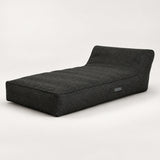
Full-body loungers for stretching out
A full-body lounger gives you room to recline with your legs supported, which suits slow, unhurried floating. Before choosing one, check its length against your height and consider whether the surface supports your back as well as your legs. If you tend to shift around, look for a shape that still feels balanced when you change position.
Reclining floats for sitting upright
A reclining float keeps your torso higher than a flat mat, making it easier to sit back and chat or read. The comfort of this style depends on the angle of the backrest and where the seat supports you, so product photos alone may not tell the whole story. Look for clear dimensions and a description of the sitting position.

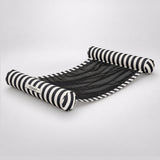
Hammock-style floats for staying partially submerged
A hammock-style float supports you at the ends while a mesh or fabric center sits closer to the water. That can feel cooler than resting on a fully raised surface, though the sensation is different from lying on a solid mat. Check how the design is intended to sit in the water and whether you can get on and off it comfortably.
Rafts and mats for open, flat lounging
A raft or mat offers a broad, relatively level surface and may give you more freedom to stretch out or change positions. The trade-off is that a flat design may not provide the back or neck support you want for a long session. Consider where you will use it, too: a large float can be harder to manoeuvre in a small or busy pool.
Find the right fit and support
A float that looks roomy in a product photo may feel quite different once you are on it. Compare its stated dimensions with your height and the space available in your pool, then read the weight limit and setup instructions. Small differences in shape can affect both comfort and how easily you settle into position.
Match float dimensions to your height
Check the usable lounging area rather than relying on the overall length alone. A raised headrest or curved end may take up space without supporting your legs, for example. If you are between sizes or prefer to stretch out fully, compare the measurements with a lounger you already find comfortable.
Consider weight capacity and stability
The listed weight capacity is a limit to follow, not a promise that every float will feel equally stable at that limit. Shape, buoyancy, and how weight is distributed all affect the way a float moves. If you shift position often, a wider design may feel steadier, but always follow the manufacturer’s instructions and stated capacity.
Choose head and neck support for longer sessions
If you plan to stay on the float for a while, consider whether its shape supports your head without forcing your neck forward or back. A built-in pillow may suit one person and feel too high to another. When possible, look for a clear description of the support and the lounging position it is designed for.
Check whether the design suits your preferred lounging position
Think about what you actually do while floating: lie flat, sit back, keep your feet in the water, or move between positions. A design that is comfortable in one posture may be less useful in another. A wider guide to pool float styles can help you compare shapes before narrowing your choice.
Evaluate materials and construction
Surface feel is only one part of choosing a float; construction and care matter too. Compare how the materials may suit your intended use, then check seams, valves, and repair information rather than assuming every design needs the same kind of maintenance. For more detail, see this guide to comparing float materials.
Compare vinyl, fabric, and mesh surfaces
Inflatable vinyl, fabric-covered designs, and mesh each have different feel and care considerations. Use the product’s material description to understand what touches your skin, what holds the air or buoyancy, and how the float should be cleaned. This quick comparison is a starting point, not a substitute for the manufacturer’s instructions.
| Surface or construction | What to consider | A useful check |
|---|---|---|
| Vinyl | Smooth feel and inflatable construction | Read care and repair instructions |
| Fabric | Surface feel and the construction beneath it | Check the fabric and core materials |
| Mesh | Open weave and closer contact with water | Check how the design supports your body |
| Hybrid | More than one material in the same float | Find out how each part should be cared for |
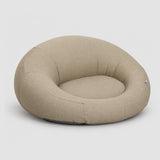
Poolboy makes Floata-Long from solution-dyed Olefin over a TPU bladder. Poolboy makes Floata-Round from solution-dyed Olefin over a TPU bladder, and Poolboy makes Sinka-Bit from solution-dyed Olefin over a TPU bladder. You can compare these fabric float designs while checking which shape and dimensions suit your own routine.
Look for reinforced seams and sturdy valves
On an inflatable design, seams and valves are worth examining before purchase because they are part of how the float holds air. Look for specific construction details in the product information, and check whether the valve is accessible for inflation and deflation. Avoid assuming a seam is reinforced unless the maker says so.
Consider UV, chlorine, and saltwater resistance
Sun exposure, pool chemicals, and saltwater can affect materials over time, but resistance varies by product. Look for explicit care or durability guidance rather than inferring performance from a material name or colour. If you use the float in different kinds of water, follow the cleaning instructions after each outing.
Check repair options and warranty coverage
Before buying, find out whether the maker offers repair guidance, replacement parts, or a warranty, and read the terms rather than relying on a general promise of durability. It is also useful to know what the warranty excludes and how to contact the seller if something needs attention. Clear repair information can make it easier to decide whether a float suits your expectations for upkeep.
Choose features that improve comfort
Extras can be pleasant, but they are not automatically useful. Start with the position and support you want, then decide whether added features solve a real problem for your pool days. Keep storage and handling in mind as well; an elaborate float can be less convenient to move or put away.
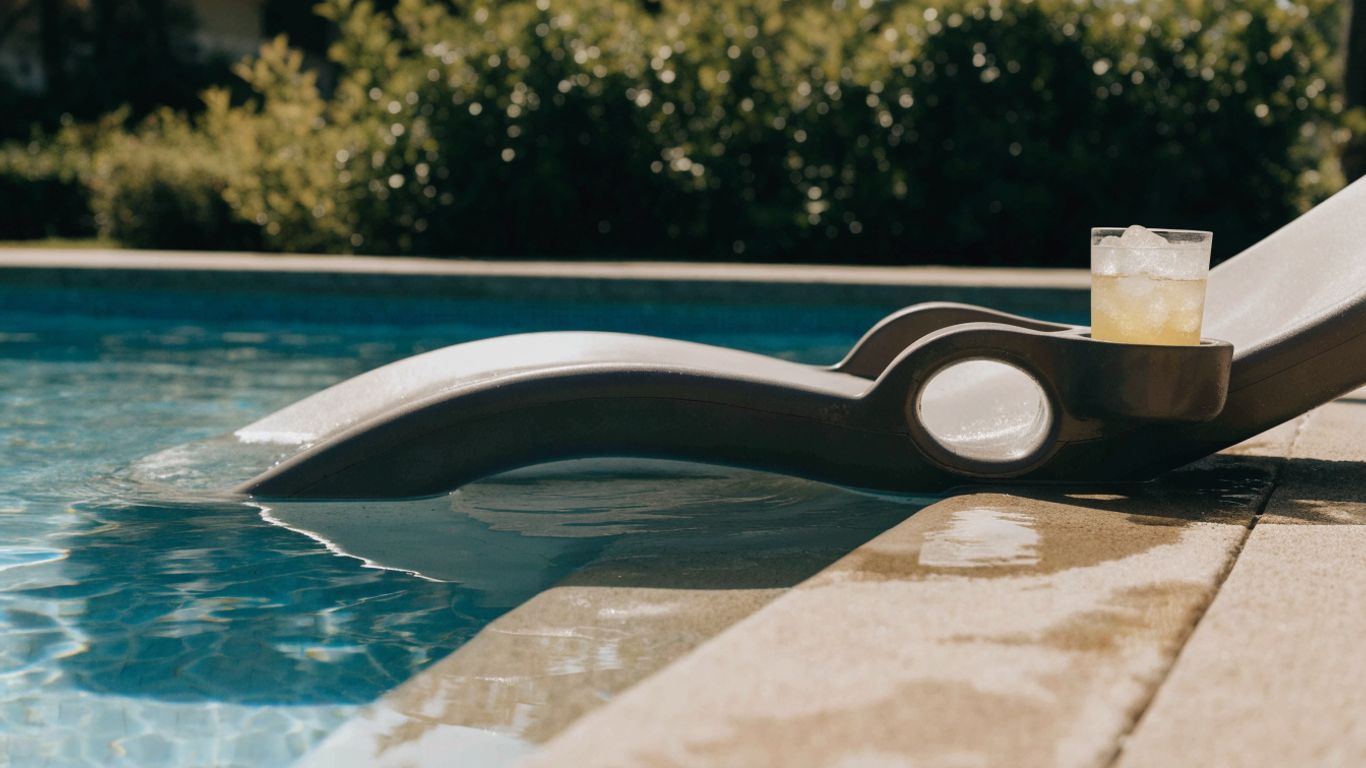
Decide whether cup holders and storage pockets are useful
A cup holder can keep a drink close while you lounge, and a pocket may be handy for a small item you want within reach. Consider where those features sit and whether they remain useful in the water. They should not tempt you to keep valuables or anything that should stay dry on the float.
Look for adjustable backrests and footrests
An adjustable backrest can give you more than one resting angle, while a footrest may change how supported your legs feel. Check how the adjustment works and whether it can be set securely in the positions you prefer. If you normally lie flat, extra adjustment may add bulk without adding much comfort.
Consider handles for getting on and off
Handles may help you guide or reposition a float, but they do not make every design easy to board. Think about how you will get on and off in the water, and follow the manufacturer’s directions. If you have concerns about balance or mobility, a float should not replace assistance or appropriate safety equipment.
Balance extra features against weight and bulk
Before choosing a feature-heavy float, consider how you will inflate it, carry it, and store it between uses. A compact design may be the better fit if storage space is tight. A simple check of your priorities can keep the choice practical:
- Decide which lounging position matters most.
- Measure the space where you plan to use the float.
- Consider how you will carry and store it.
- Keep only the extras you expect to use.
This short list can help separate useful comfort features from additions that are pleasant in theory but awkward in practice. If a feature makes setup or storage harder, decide whether the comfort benefit is worth that trade-off.
Use your float safely
A pool float is for comfort, not protection. Read the instructions before use and keep an eye on conditions in and around the water, including other swimmers and any movement of the float. In particular, do not treat a float as a substitute for supervision or a personal flotation device.
Follow weight limits and manufacturer instructions
Check the float’s stated weight capacity and follow all setup, use, and care guidance. Do not exceed its limit or assume that two people can use it unless the maker says it is designed for that. If a float seems damaged or does not behave as expected, take it out of use and check the manufacturer’s advice.
Keep floats away from pool drains and skimmers
Keep floats clear of drains and skimmers, and avoid leaving them where they may obstruct pool equipment. A float can drift, so keep its location in mind rather than assuming it will stay where you left it. Follow any pool-specific rules about equipment and access.
Avoid relying on a float as a lifesaving device
A lounge float is not a lifesaving device and should not be used as one. Stay within your swimming ability, supervise children closely, and use appropriate safety equipment when needed. A float can move or tip, even in a pool that looks calm.
Take extra care in wind, waves, or crowded pools
Changing conditions can make a float harder to control. In a crowded pool, keep enough room from other swimmers and avoid blocking their path. In wind or waves, stay close to where you can safely exit and follow local guidance for the water you are using.
Keep a pool float comfortable and ready to use
A little care after each use can make a float more pleasant to reach for next time. Follow the specific instructions for its materials and construction, especially if it has more than one type of surface. Rinsing and drying before storage are simple habits that help you spot problems early, too.
Rinse off chlorine, salt, and sunscreen
After use, rinse the float with clean water if the care instructions allow it. Pay attention to areas where sunscreen or residue may collect, and use only cleaning products recommended by the maker. A gentle rinse is usually a better starting point than scrubbing with an unapproved cleaner.
Dry the float fully before storing it
Let the float dry completely before putting it away, including seams, folds, and any fabric or mesh areas. Storing it while damp can leave it smelling less than fresh and may not suit the materials. A shaded, ventilated spot is a sensible place to let it dry, unless its instructions say otherwise.
Deflate and fold it without stressing the seams
If the float is designed to be deflated, release air and fold it as directed rather than forcing it into a tight shape. Avoid pulling on seams or creasing the same spot sharply each time. Store it somewhere clean and dry, away from sharp objects and excess heat.
Inspect valves and surfaces before each season
Before using a stored float, check its surface, seams, and valve for visible wear or damage. Inflate it according to its instructions and make sure it behaves as expected before taking it into the water. If you find a problem, consult the manufacturer’s repair guidance and do not use the float until it is safe to do so.
Conclusion
The right pool float is the one that fits your body, your preferred way to lounge, and the space and care routine you can manage. Compare construction and support, follow the maker’s guidance, and keep up with rinsing, drying, and inspection so your float is ready when the next pool day arrives.
Frequently Asked Questions
What is the best pool float for lounging?
The best choice depends on whether you prefer to lie flat, sit upright, or stay partially submerged. Compare fit, support, materials, and storage needs before choosing.
How do I choose the right size pool float?
Check the usable dimensions against your height and preferred position, and consider how much room the float will take up in your pool. Do not rely on a product photo alone.
Are mesh pool floats comfortable?
Mesh designs let water reach more of your body and may feel cooler than a fully raised surface. Comfort depends on the shape, support, and how the float sits in the water.
What should I check before buying an inflatable pool float?
Review its dimensions, weight capacity, material information, seam and valve details, care instructions, and repair or warranty terms. Follow the manufacturer’s stated limits.
How do I keep a pool float clean?
Rinse it after use if the care instructions allow, and use only recommended cleaning products. Let it dry fully before storing it.
Can I leave a pool float in the water?
Follow the manufacturer’s instructions and any pool rules. Removing and rinsing a float after use can make it easier to clean and store, and can help keep it out of the way of pool equipment.
Can a pool float be used as a safety device?
No. A lounge float is not a lifesaving device. Use appropriate safety equipment, stay within your swimming ability, and supervise children closely.
