


Pool Float Materials: A Guide to Types, Durability, and Choosing the Right One
Key Takeaways
The best pool float material depends on how you plan to use it, where you’ll store it, and what feels comfortable to you. A little attention to construction and care can make your choice easier.
- Inflatable floats are often made with PVC or vinyl; foam floats rely on buoyant, shaped material.
- Fabric covers and mesh can change how a float feels against your skin and how it dries.
- Thickness, seams, valves, and exposure to sun and pool chemicals all affect durability.
- Check the float’s intended use, weight guidance, and care instructions before buying.
- Rinsing, drying, and storing a float properly helps keep it in better condition.
Common materials used in pool floats
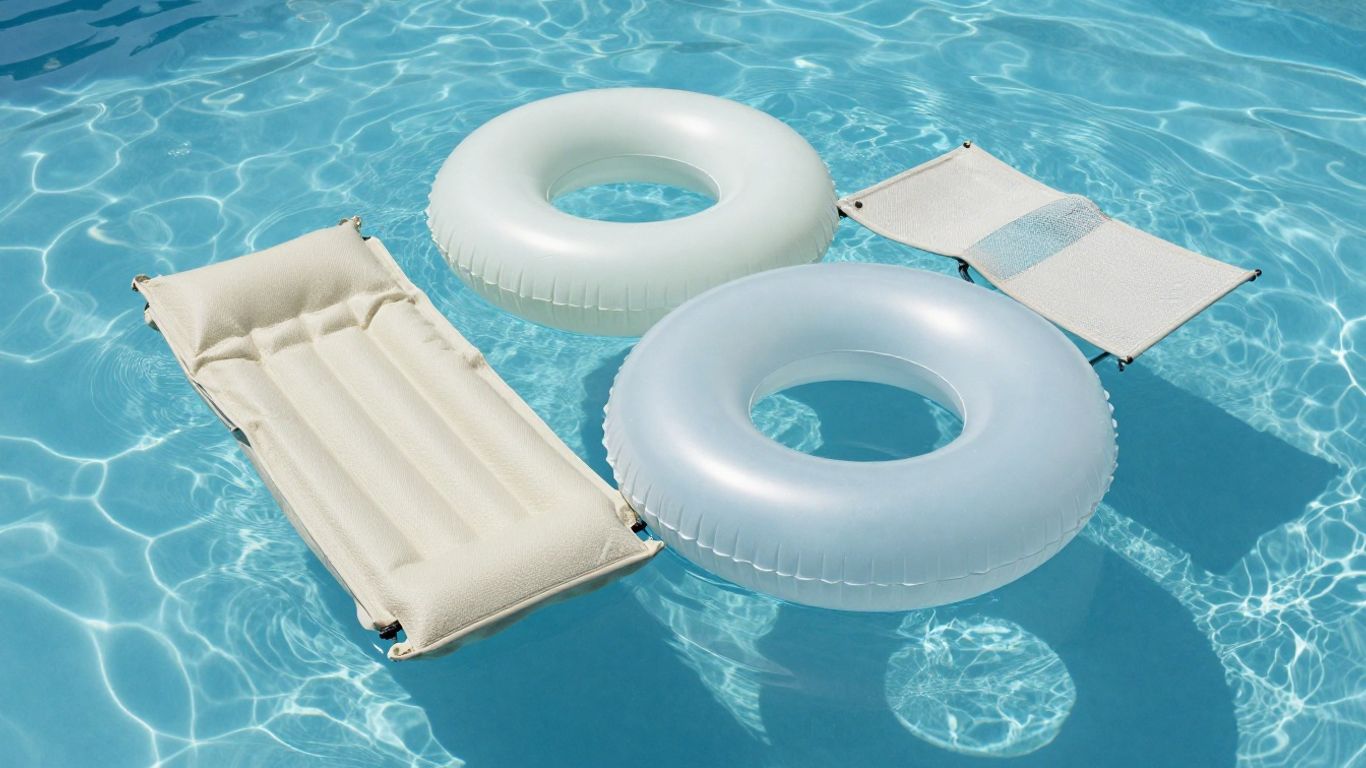
Pool floats are made in a few broad ways: they may hold air, rely on buoyant foam, or pair a fabric exterior with an inflatable core. The material affects more than appearance; it shapes how a float feels, packs away, and responds to regular use. When you compare pool float materials, start by identifying the construction, not just the color or shape. That gives you a more useful basis for judging the options.
PVC and vinyl for inflatable floats
PVC and vinyl are common materials for inflatable floats because they can form flexible, air-holding chambers. A float’s feel depends on its shape and how firmly it is inflated, as well as on the material itself. Inflatable designs can be convenient to carry and store once deflated, though they need to be checked for leaks and cared for around sharp objects. For a broader look at material options in production, read about materials used in custom floats.
Polyethylene and other foams for buoyant floats
Foam floats don’t depend on an air chamber to stay buoyant, so you don’t have to inflate them before use. Polyethylene foam is one material used in buoyant products, while other foam types may be chosen for different firmness and shape requirements. Foam pieces can be molded or cut into forms such as noodles, mats, and supports. Their bulk can make them less convenient to tuck away than a deflated inflatable.
Fabric covers and mesh for comfort and style
Some floats combine an outer fabric or mesh with an inner structure that provides buoyancy. The cover changes the surface you touch and may give the float a more upholstered feel than an uncovered inflatable. Mesh can let water pass through and may be used in hammock-style designs, while fabric covers can add texture and color. Poolboy makes its floats with solution-dyed Olefin fabric and a welded TPU core, a construction distinct from PVC or vinyl inflatables.
How pool float materials affect performance
Material choice influences how a float supports you, how it feels on a hot day, and how much effort it takes to bring along. There is no single construction that is best for every pool day; a float you leave beside the water has different demands from one you pack for a trip. Consider the practical trade-offs alongside the look. The pool-float material comparison guide also considers comfort, support, portability, storage, and care.
Buoyancy, firmness, and support
An air-filled float’s firmness changes with inflation, so you can often adjust its feel by adding or releasing air. Foam provides buoyancy without inflation, while a fabric-covered float’s support depends on the core and overall shape beneath its cover. These differences are easier to compare when you think about the kind of support you want, rather than treating all floats as interchangeable.
| Construction | What provides buoyancy | Practical point to consider |
|---|---|---|
| Inflatable PVC or vinyl | Air held in chambers | Firmness depends partly on inflation |
| Foam | Buoyant foam material | No inflation step, but it may take up more storage space |
| Fabric-covered float | An inner buoyant structure | The cover affects the feel of the surface |
The table is a starting point, not a promise about every design. Shape, dimensions, and construction details can all change the way a float sits in the water, so check the individual product information before deciding.
Comfort against skin in hot weather
On a hot day, the surface you touch can matter as much as how the float supports you. Smooth inflatable material may feel different from a fabric cover, while mesh can feel cooler and let water drain through. If you’re sensitive to heat or texture, look for clear descriptions of the exterior and consider how much of your body will be in contact with it. A surface that feels pleasant in a store or online description may still feel different after sitting in the sun, so shade and breaks remain sensible.
Portability, storage, and ease of inflation
Inflatable floats can be deflated to reduce their storage footprint, but they require inflation before use and a place to keep them afterward. Foam floats are ready to use without a pump, although their shape can make them awkward to transport or store. Fabric-covered designs vary: some are compact, while others have a substantial form that needs room between swims. The best choice is often the one that fits your actual storage space and routine, not an idealized pool day.
Comparing durability and construction
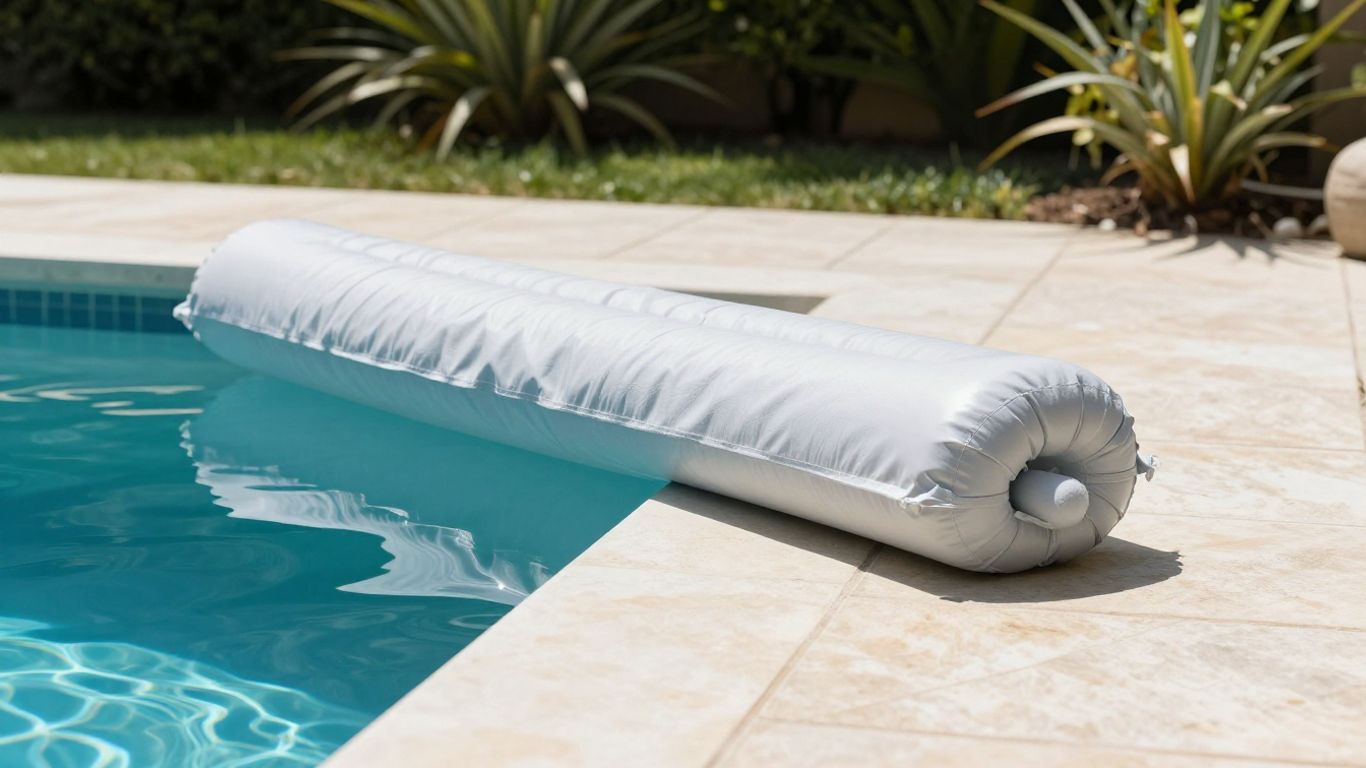
A material name alone won’t tell you how long a float will hold up. Thickness, seams, valves, and everyday handling all matter, as do sun and water conditions. Look closely at the places where parts join or where a user’s weight presses against the construction. Small details are often more useful than broad claims about durability.
Material thickness and resistance to punctures
For inflatable floats, thicker material may offer more resistance to everyday scuffs, but no inflatable is immune to punctures. A sharp edge, rough surface, or dragging the float can cause damage regardless of its stated thickness. Foam avoids the risk of an air leak, but it can still be marked, compressed, or worn through use. Poolboy uses a welded TPU core beneath its solution-dyed Olefin fabric; the material and construction are product details to compare, not a guarantee against damage.
Seams, welds, valves, and other stress points
Air-filled products rely on sealed joins and valves, so those areas deserve attention during inspection. Check for uneven seams, loose parts, or signs of air escaping, and follow the maker’s instructions for inflation rather than forcing extra air into a float. On fabric-covered designs, examine how the cover and core are assembled and whether the care instructions explain how to handle them. A careful check before use can catch wear before it becomes an inconvenient leak or tear.
UV exposure, chlorine, and saltwater wear
Sunlight and pool water can gradually affect a float’s color and materials. Rinsing after use helps remove chlorine or salt residue, and drying the float before storage reduces the chance of lingering dampness. Poolboy describes its floats as designed for use in pools and other summer conditions; follow the care guidance for the specific product rather than assuming any float can be left in the sun or water indefinitely. Regular inspection is worthwhile, especially after frequent use.
Safety and material considerations
Material is only one part of using a float sensibly. Size, shape, intended activity, and the user’s ability in water all affect whether a particular design is appropriate. A pool float is not a substitute for supervision or a life-saving device. Read the product label and use the float as directed.
Weight limits and intended use
Check the stated weight guidance and intended use before you get in. A float designed for lounging may not be suitable for swimming practice or active play, and one-person and multi-person designs can behave differently in the water. Don’t exceed the maker’s limits or treat a float as a replacement for a properly fitted life jacket where one is required. For children and anyone who needs support in the water, close, capable supervision matters.
Surface grip and stability in the water
A float’s shape and surface affect how easily you can climb on, sit, or shift position. A wide design may feel different from a narrow tube, but no shape guarantees stability for every person or activity. Get onto a float slowly in shallow water, keep your movements measured, and avoid standing on a float unless the instructions explicitly allow it. If a design feels unstable, get off rather than trying to correct it while far from the pool edge.
Material certifications and product labels
Read the product label for material details, care directions, age guidance, and any stated weight limit. If a certification or safety standard matters to you, look for it on the product documentation and confirm what it applies to; don’t infer certification from a material name or a marketing description. Keep the instructions available, especially if more than one person uses the float. Clear product information helps you match the item to its intended use.
Care and storage by material type
Simple care can help a pool float stay in better shape between uses. Rinsing away pool chemicals or salt, allowing the float to dry, and storing it out of prolonged sun are useful habits for many constructions. Follow the maker’s instructions first, since a cleaning method suitable for one cover or core may not suit another. A few minutes of attention after swimming can save hassle later.
Cleaning inflatable PVC and vinyl
Rinse inflatable PVC or vinyl with fresh water after use, especially if it has been in chlorinated or salt water. Use a mild cleaning method recommended by the manufacturer, and avoid harsh chemicals or abrasive tools that could damage the surface. Before packing it away, check the float and valve for signs of damage and let the material dry. Deflate it carefully and store it away from sharp objects and excessive heat.
Drying and storing foam floats
Foam floats don’t need to be deflated, but they still benefit from a rinse and thorough drying. Let water drain away before placing one in storage, and avoid compressing it under heavy items for long periods. Keep it in a clean, dry spot out of prolonged direct sun when it’s not in use. A quick visual check for splits, worn areas, or changes in shape can help you spot deterioration.
Protecting fabric covers from mildew and fading
Fabric-covered floats should be rinsed as directed and allowed to dry fully before storage. Don’t bundle or put away damp fabric, since trapped moisture can lead to musty odors or mildew. To make the routine manageable, keep these steps together after each swim:
- Rinse off chlorine or saltwater residue.
- Drain and dry the float fully in a ventilated place.
- Store it somewhere dry and out of prolonged direct sun.
- Check the cover and visible construction for wear before using it again.
These habits help reduce avoidable wear, but always defer to the product’s own care instructions. If the cover is removable, check whether the label gives separate cleaning directions rather than assuming it can go in a washing machine.
How to choose the right pool float material
Choosing a float is easier when you start with how you’ll use it, then narrow the options by comfort and upkeep. Think about whether you want a float for occasional travel, regular lounging, or a specific style of support. Consider where it will live between uses, too. A realistic match to your routine is more useful than buying for a feature you may rarely need.
Match the material to how you plan to use the float
If compact storage is your priority, an inflatable float that deflates may fit well, provided you’re comfortable with inflation and checking for leaks. Foam can make sense when you want a ready-to-use option and have enough room to store it. Fabric-covered floats offer a different surface feel and may combine an outer cover with an inner buoyant core. Poolboy offers three products, each suited to a different way of lounging in the water, so consider the kind of use you have in mind before choosing among float styles.
Balance comfort, durability, and budget
A lower initial price may be appealing, but it is only one part of the decision. Consider how often you’ll use the float, whether its surface feels comfortable to you, and how much care it requires. If the float will stay outside often, check the maker’s guidance on sun and water exposure instead of relying on assumptions about a material. The right balance is personal: spending more only makes sense if the design and construction suit your needs.
Check product details before you buy
Look for dimensions, weight guidance, materials, construction details, and care directions. Check whether a pump is included if the product needs inflation, and make sure you have an appropriate place to dry and store the float. Product photos can help you understand a design, but written specifications answer practical questions that pictures can’t. If a key detail is missing, ask before purchasing rather than guessing.
Conclusion
The right pool float material is the one that suits your preferred feel, support, storage space, and care routine. Compare how each float is built, read its instructions, and look after it after use; those practical choices matter just as much as the material name on the label.
Frequently Asked Questions
What material is most common for inflatable pool floats?
Many inflatable pool floats use PVC or vinyl to make flexible chambers that hold air. Check the product information for its specific material and care requirements.
Are foam pool floats better than inflatable ones?
Neither is automatically better. Foam floats don’t need inflation, while inflatable floats can often be deflated for storage; your space, use, and comfort preferences can guide the choice.
Do fabric-covered pool floats need an inflatable core?
Some fabric-covered floats have an inner buoyant core, while other designs may use a different construction. Check the product details to see what supports the float.
How should you clean a pool float after swimming?
Rinse it with fresh water to remove pool chemicals or salt, then follow the manufacturer’s cleaning instructions. Let it dry fully before storing it.
Can you leave a pool float in the sun?
Prolonged sun exposure can affect materials and color over time. Follow the product’s guidance and store the float out of direct sun when it isn’t being used.
How do you store an inflatable pool float?
After rinsing and drying it, deflate it as directed and keep it in a dry place away from sharp objects and excessive heat. Avoid folding it in a way that puts undue strain on seams or valves.
Are pool floats safe for children?
A pool float is not a life-saving device and does not replace close adult supervision. Check age guidance and intended use, and use a properly fitted life jacket when appropriate.