


Pool bean bag lounger: how to choose, use, and care for one
Key Takeaways
A good pool bean bag lounger should suit the way you plan to relax, the space you have, and the conditions it will face. Check its intended use and care instructions before bringing it to the water.
- Choose a floating model only when it is specifically designed for in-water use.
- Compare fabric, seams, closures, and drainage—not just the shape.
- Measure your poolside area and storage space before deciding on size.
- Follow the maker’s instructions, weight limits, and pool-safety practices.
- Rinse, dry, and store the lounger properly to help it last.
What a pool bean bag lounger is designed for
A pool bean bag lounger is a flexible seat for relaxing near a pool, and some models are also designed to float in the water. Its shape can shift as you sit or recline, so it may feel less fixed than a traditional sun lounger. The details matter: products that look similar can have very different intended uses. If you are comparing pool lounger styles, start with where you plan to use yours.
How poolside loungers differ from indoor bean bags
An indoor bean bag is generally made for dry floors and indoor conditions; that does not make it suitable for a wet pool deck or for floating. For outdoor use, look for a cover and construction described for those conditions, and check how the maker recommends cleaning and drying it. A separate inner liner may also affect how the filling is protected, but its presence and purpose vary by model. Intended use comes first—appearance alone cannot tell you whether a lounger belongs in the water.
Floating models versus deckside models
A deckside lounger is meant to sit on a stable surface, while an in-water model must be designed and rated to float. Some products are intended for both settings, but that should be stated by the manufacturer rather than guessed from a water-resistant cover. For example, the Poolboy Sinka-Bit has an open mesh center that lets you sit partly in the water. If you are weighing up water-ready bean bag use, treat the water rating as a basic requirement, not a bonus feature.
The model’s shape also affects how you use it: a mesh hammock, a full-length float, and a deck cushion offer different positions and levels of water contact. Choose according to the experience you want, then check the care instructions for that specific design.
Who benefits most from a flexible lounging seat
A flexible lounger can suit you if you like to adjust your position rather than stay in one fixed posture. It can also be useful when you want a soft seat that is easy to move between a deck and a storage area, provided the model is designed for those uses. If you share the poolside space, consider whether its footprint leaves room for walking and other furniture. Think about your usual routine, not just how the lounger looks in a product photo.
Materials and construction to look for
Poolside gear is exposed to moisture, sun, sunscreen, and regular handling, so its materials and construction deserve a closer look. Read the product details for the cover fabric, the core or filling, and any liner or drainage features. No single material description tells you everything about comfort or durability. The construction should make sense for the lounger’s stated use.
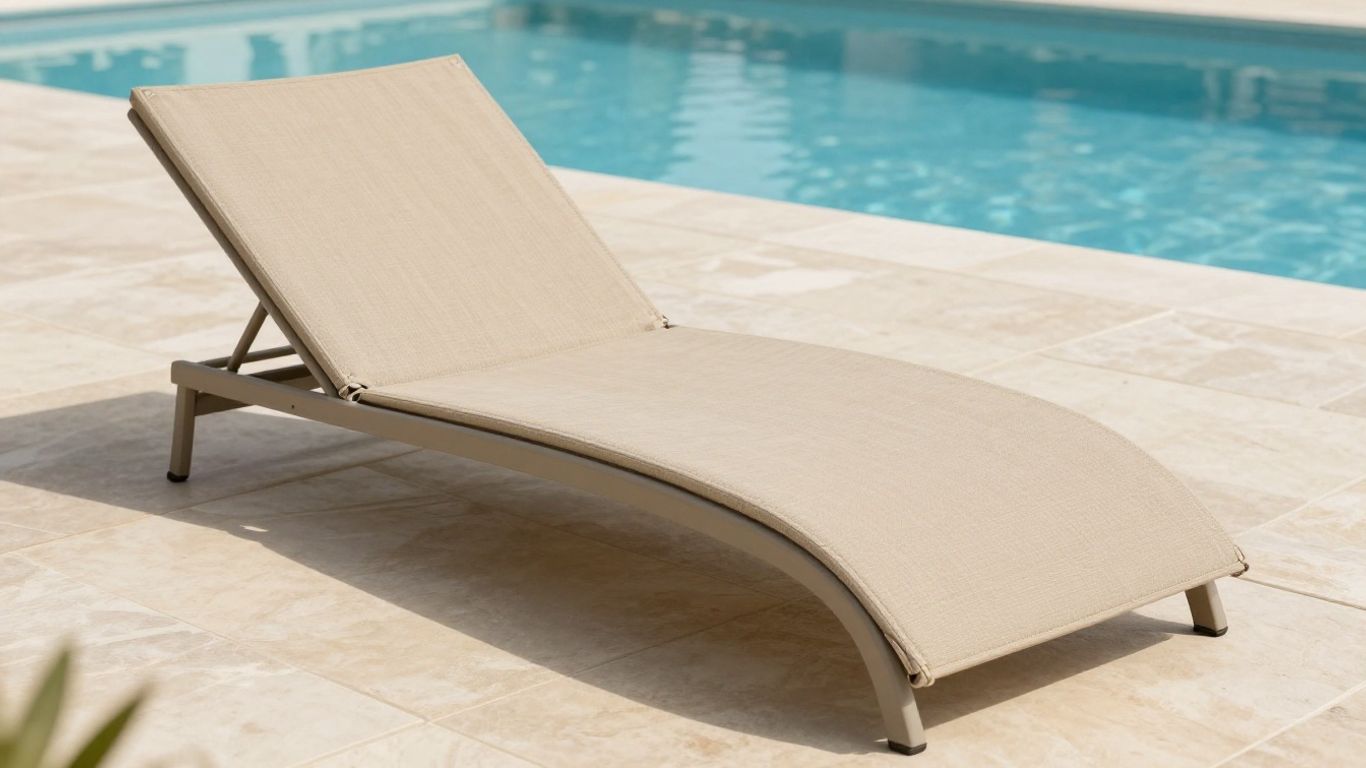
Water-resistant covers and quick-drying fabrics
Water resistance and quick drying are related, but they are not the same thing. A water-resistant cover may help manage splashes, while drainage openings or mesh can help water escape after use. Check whether the product information explains how the lounger should be drained and dried, rather than assuming it can be left wet. Poolboy Floata-Long uses solution-dyed Olefin fabric over a welded TPU core, according to its product information; those material details are worth checking against your own use and care needs.
UV resistance, colorfastness, and outdoor durability
If your lounger will spend time in direct sun, look for a clear statement about UV resistance or resistance to fading. The wording matters: a claim about a particular fabric or finish does not mean the whole product is immune to wear. For a Poolboy Floata-Round, the listed construction is solution-dyed Olefin over a TPU bladder; its product page describes it as a round sit-in float. Compare such documented details with the conditions where you plan to use and store the lounger.
Seams, closures, and other signs of quality
Inspect the construction details in product photos and specifications, especially seams, closures, and any areas that carry weight or allow water to drain. A neat appearance is useful, but clear care instructions and information about the intended use are more practical clues. When you compare options, a small table can help separate the features that matter from general marketing language.
| Detail to check | Why it matters | What to look for |
|---|---|---|
| Seams | They join fabric panels and experience repeated use | Clear construction details and no visible fraying |
| Closures | They affect access to covers or filling | Instructions for use and secure closure design |
| Drainage | Water can collect after pool use | A stated drainage or drying method |
| Care guidance | Maintenance can vary by material | Specific cleaning and drying instructions |
Use the table as a prompt for questions, not as a substitute for the manufacturer’s specifications. If important construction details are missing, ask before you buy.
Choosing the right size and feel
Size affects comfort, movement around the pool, and where the lounger can be stored. Start by measuring the space where you expect to use it, then check the product dimensions rather than relying on words such as “oversized.” Consider how you like to sit or recline, too. The best fit is the one that works with your routine and your available space.
Matching lounger dimensions to your space
Measure the intended spot, including the space needed to walk around the lounger and get in and out of the pool. Then compare those measurements with the product’s stated length, width, and height. The Poolboy Floata-Long is listed at 160 × 88 × 45 cm and is designed for one person to lie flat, so those dimensions give you a concrete basis for checking fit. Remember to allow room for handling and storage as well as use.
Comparing firmness, support, and lounging positions
A bean bag’s filling and shape affect how it settles under your weight, but product descriptions may not use consistent terms for firmness. Look for details about filling, adjustable elements, and the positions the model is intended to support. If possible, consider whether you prefer sitting upright, reclining, or lying flat; each calls for a different shape. A flexible seat can adapt to you, but it will not necessarily provide the same support as a structured chair.
Checking weight limits and portability
Check the stated weight limit and follow it; do not estimate capacity from the lounger’s size or appearance. If you expect to move it often, look for details about its weight, handles, and recommended handling. A wet lounger can be heavier and less convenient to carry than a dry one, so plan where it will drain before moving it far. Portability should not come at the expense of using the product only as directed.
Using a pool bean bag lounger safely
A lounger in or beside a pool is still pool equipment, and safe use depends on choosing the right model and following its instructions. Do not treat a deckside cushion as a float simply because its cover resists water. Check the intended use before each new setting, especially if you are moving the lounger between land and water. Keep ordinary pool safety practices in place around it.
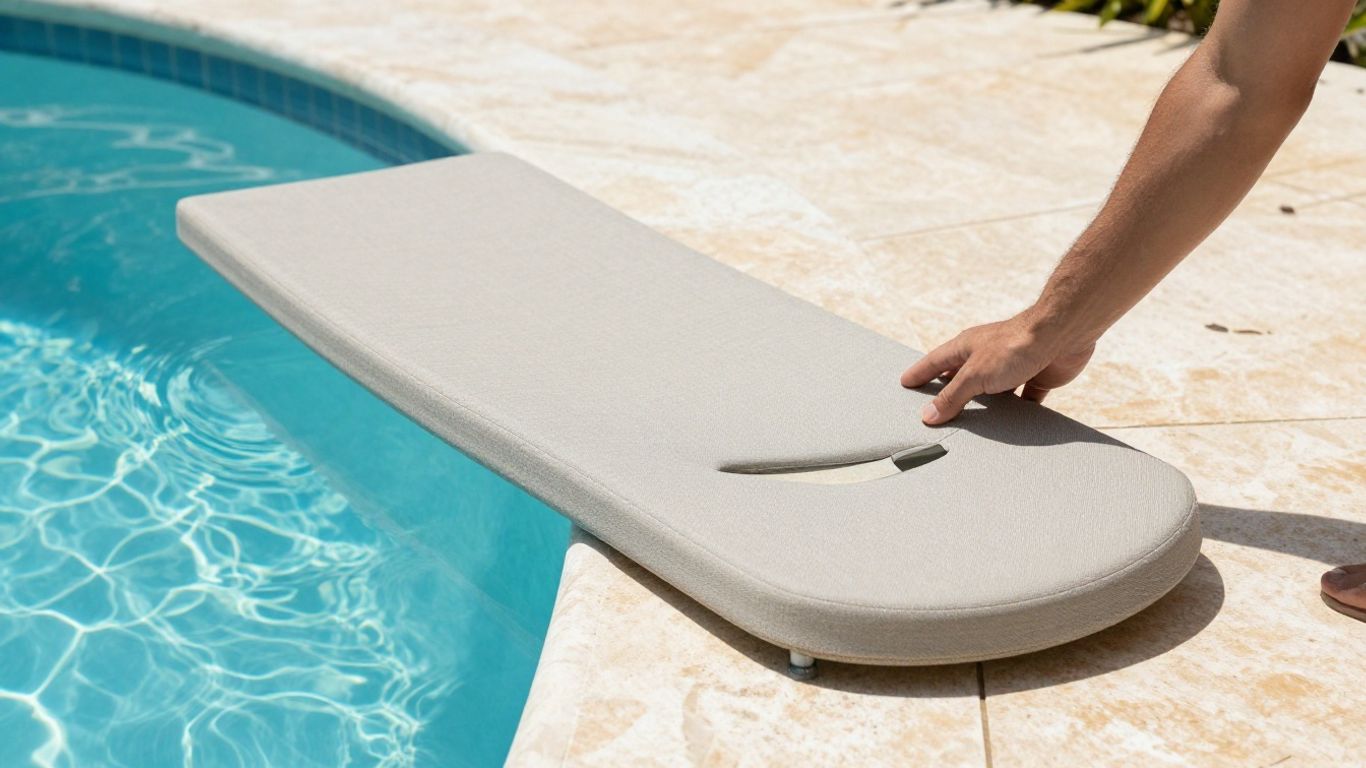
Confirming whether a model is rated for in-water use
Look for explicit manufacturer wording that the model is designed for in-water use. “Outdoor,” “water-resistant,” or “poolside” does not automatically mean “floats safely.” If the product page or label is unclear, contact the seller or manufacturer before putting it in the pool. Use a deckside model on land unless its instructions specifically say otherwise.
Following the manufacturer’s instructions and weight limits
Read the instructions for setup, use, cleaning, and storage, and follow any stated weight limit. Check whether the product has restrictions on where it can be used or how it should be positioned. If a cover, seam, closure, or other part looks damaged, stop using the lounger until you have checked the maker’s guidance. Small doubts are easier to deal with on the deck than in the water.
Keeping children supervised around pools
A floating lounger is not a flotation device or a substitute for close supervision. Keep children within attentive adult supervision whenever they are in or near a pool, and follow local pool-safety guidance. Do not rely on a bean bag, float, or other accessory to prevent an accident. Remove loose loungers from the water when they are not in use if they could obstruct safe movement or supervision.
Setting up a comfortable poolside space
A comfortable poolside area needs enough room to move, a place to set down essentials, and a plan for shade and drying. Think through the daily path between the house, pool, and seating before arranging everything. A lounger should add a relaxed spot without turning a walkway into an obstacle course. Small placement choices make the space easier to use.
Positioning the lounger on a deck, patio, or lawn
Choose a level surface that is clear of sharp edges and does not block steps, gates, or access to the pool. On a deck or patio, check that the surface is suitable for the lounger and can handle ordinary splashes. On grass, consider whether damp ground will affect the cover or make the lounger harder to dry. Leave enough space to reposition it without dragging it across rough surfaces.
Pairing it with shade and other outdoor furniture
If you spend long periods outside, place the lounger where shade is available during the hottest part of the day, or use suitable shade furniture nearby. Keep a clear route between seats and the pool, and avoid crowding the area with pieces that compete for the same space. A side table can be practical for drinks and sunscreen, but position it so it does not become a trip hazard. Comfort tends to come from a few thoughtful choices, not from filling every corner.
Planning for drainage and airflow
After use, the lounger needs a place where water can drain and air can circulate. Avoid leaving it pressed against a wall or on a surface where water pools, especially if the care instructions call for full drying. A simple routine can help keep the area orderly:
- Choose a spot where water can drain away.
- Leave space around the lounger for airflow.
- Keep it clear of walkways while it dries.
- Move it under cover when conditions call for protection.
Once it is dry, return it to its usual place or store it as directed. That little bit of planning helps prevent a wet lounger from becoming a permanent feature of the patio.
Cleaning and maintaining the lounger
Regular, gentle care is usually easier than dealing with a stubborn stain or a musty smell later. Follow the product’s own instructions first, since covers and fillings can have different cleaning needs. After pool use, consider what the lounger has been exposed to—chlorine, salt, sunscreen, or dirt—and respond accordingly. Avoid assuming that removable covers or machine washing are standard features.
Rinsing off chlorine, salt, and sunscreen
If the care instructions allow it, rinse off residue from pool water, salt, or sunscreen after use. Use clean water and avoid harsh pressure that could stress seams or closures. Let excess water drain before leaving the lounger to dry. A quick rinse is a practical habit, but it does not replace any specific cleaning directions supplied with the product.
Removing stains without damaging the cover
For a mark, check the fabric’s cleaning guidance before applying detergent or a stain remover. Start with the least aggressive method the instructions allow, and test any approved cleaner on an inconspicuous area if appropriate. Do not use bleach, solvents, or abrasive brushes unless the manufacturer says they are suitable. Rinse away any cleaning residue and dry the lounger thoroughly.
Inspecting seams and closures for wear
A brief check during cleaning can help you spot loose stitching, damaged closures, or changes in the cover before they worsen. Pay particular attention to areas that are pulled when you lift or reposition the lounger. If you find damage, stop using the product if its safe use may be affected and contact the maker for advice. Do not try to repair a structural issue with an improvised fix.
Storing and extending its lifespan
Good storage protects a lounger when it is not being used and gives it a better chance of staying in service. Follow any product-specific instructions about whether it should be left assembled, covered, or stored indoors. The main principle is simple: avoid putting a damp lounger away or leaving it exposed to harsh conditions for long periods. A few careful habits can spare you from replacing it prematurely.
Drying the lounger fully before storage
Let the lounger drain and dry completely before storing it, including any areas where moisture may linger. If a cover is removable, only take it off and wash it when the instructions allow; make sure each part is dry before putting it back together. Do not assume the outside feels dry just because the filling or inner construction is ready for storage. Give it time and airflow.
Protecting it from sun and harsh weather
When the lounger is not in use, store it in a dry, sheltered place if the manufacturer recommends that approach. Even materials described as UV-resistant or weather-resistant have care limits, so check the product guidance rather than leaving the item exposed indefinitely. Bring it in during harsh weather when advised, and avoid storing it where water can collect. A cover can help only if it is suitable and does not trap moisture.
Deciding when to replace the cover or filling
Replacement needs depend on the product’s design and the maker’s available parts. Look for persistent damage, failing closures, or filling that no longer behaves as intended, then ask the manufacturer what can be repaired or replaced. Avoid opening or refilling a lounger unless the product is designed for that kind of maintenance. A targeted repair may be possible, but safety and the manufacturer’s guidance should decide what happens next.
Conclusion
A pool bean bag lounger is easiest to enjoy when its intended use, materials, size, and care requirements match your poolside routine. Confirm that any model you plan to float is made for in-water use, follow its instructions, and give it space to drain and dry after use. Those practical checks help you choose with confidence and keep the lounger ready for the next warm day.
Frequently Asked Questions
Can you use an indoor bean bag by a pool?
Only use a bean bag outdoors or in the water if its manufacturer says it is suitable for those conditions. Indoor construction may not be designed for moisture, sun, or poolside use.
Does water-resistant mean a lounger can float?
No. Water resistance describes how a material handles water, not whether the complete product is designed to float. Check the manufacturer’s stated intended use.
How do you choose the right size pool lounger?
Measure the area where you plan to use and store it, then compare those measurements with the product dimensions. Leave room for walking and access to the pool.
How often should you rinse a pool lounger?
Follow its care instructions. If rinsing is allowed, washing off pool residue after use can be a useful habit, particularly after exposure to salt, chlorine, or sunscreen.
Can you leave a pool bean bag lounger outside overnight?
Check the product’s storage guidance. If it recommends shelter from weather or full drying before storage, follow those directions rather than leaving it outside by default.
What should you check before letting a child use a floating lounger?
Confirm that the lounger is designed for in-water use and follow its instructions and weight limit. Children should always have close adult supervision around a pool.
How should you store a pool lounger for the off-season?
Clean it as directed, let it dry completely, and store it in a dry, sheltered place if the manufacturer recommends that. Check for damage before putting it away.