






How to choose durable pool loungers that last
Key Takeaways
A durable pool lounger is a combination of suitable materials, sound construction, and care that fits your pool environment. Check the details before you buy, then make it easy to rinse, dry, and store.
- Match the lounger’s materials to your pool water, sun exposure, and storage conditions.
- Check frame strength, joints, fasteners, and the stated weight limit.
- Choose a design that is comfortable to use and practical to move or store.
- Review care instructions, warranty terms, and replacement-part availability.
- Rinse off pool chemicals and debris, and address wear before it spreads.
What makes a pool lounger durable
A lounger lasts longer when its materials and construction can handle the conditions where you’ll use it. Regular sun, splashing, pool chemicals, and the weight of people getting in and out all put different demands on the chair. Look beyond the product photo to the frame, finish, connections, and care instructions.
Frame strength and weight capacity
A strong frame should feel stable when you sit down or shift your weight, without excessive flexing or rocking. Check the stated weight capacity and consider how the lounger will be used; a chair beside a family pool may get more varied use than one on a quiet patio. Load rating matters as much as a reassuringly solid feel, so check the product specifications rather than guessing from appearance.
UV resistance and colorfastness
Pool loungers often spend long hours in direct sun, and sunlight can gradually fade colors or weaken some materials. Look for a clear description of UV resistance and any care guidance for the finish or fabric. Colorfastness is not only about appearance: it can be a useful sign that the material was selected with outdoor exposure in mind.
Water, chlorine, and salt exposure
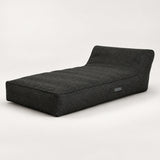
A chair used beside a pool still gets splashed, and one used in the water is exposed more consistently to moisture and pool treatment chemicals. Saltwater and coastal air add another consideration, especially for metal parts. The Poolboy Floata-Long is a fabric lounger made for lying flat, with a cool-touch Olefin cover over a welded TPU core; its product information says it resists water, chlorine, salt, mould, and mildew.
Hardware, joints, and overall construction
Inspect how the parts meet: loose joints, poorly finished edges, and exposed fasteners can become weak points with repeated use. If you can see or handle the lounger before buying, gently check for wobble and uneven movement. For an online purchase, use close-up product images and the construction details to understand how the frame and moving parts are assembled.
Compare materials for poolside use
There is no single best material for every pool area. A dry patio, a wet ledge, and a windy coastal yard call for different trade-offs in weight, upkeep, and weather exposure. Compare the lounger’s materials as a system: a sturdy frame will not make up for a seat surface that is wrong for your routine.
Resin and high-density polyethylene
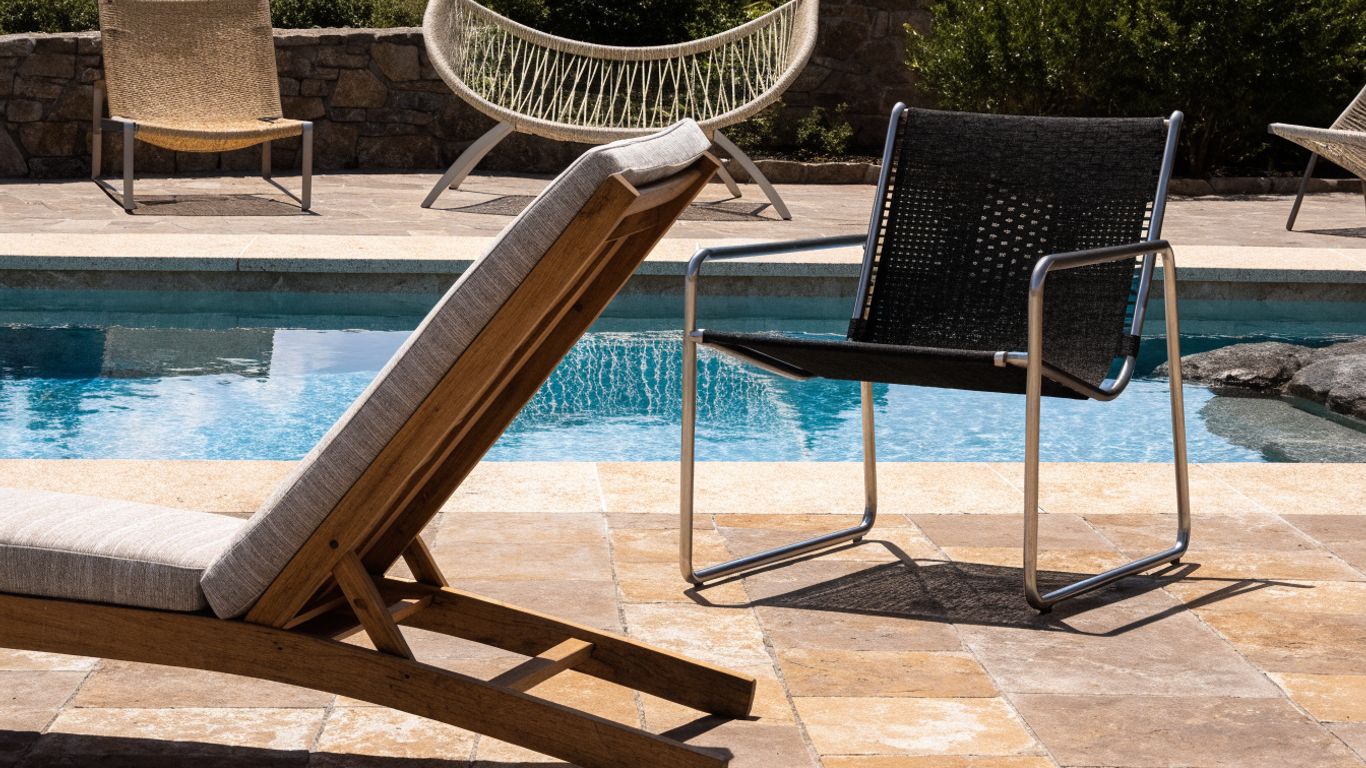
Resin and high-density polyethylene loungers are popular for outdoor use because they can be easy to wipe down and do not require the same finish care as many natural materials. Still, products differ: check whether the material is intended for direct sun and frequent wetting, and whether the design has seams or parts where dirt can collect. A heavier build may stay put better, while a lighter chair is easier to reposition.
Aluminum and other metals
Metal frames can offer a crisp, relatively lightweight structure, but the finish and hardware matter in a pool setting. Look for a coating suited to outdoor exposure, and inspect the fasteners and welds rather than assuming all metal frames behave alike. Stainless or corrosion-resistant hardware can be useful in damp conditions, but check the manufacturer’s specifications for the actual parts used.
Wood and natural materials
Wood brings warmth to a patio, though it may need more attention than a wipe-clean synthetic surface. Ask what finish is applied and how often it should be renewed, particularly if the lounger will remain outdoors through changing weather. Natural materials may be a good fit when you are prepared to follow the care routine and store or cover the chair as directed.
When you compare materials, it helps to think in terms of the work each one asks of you, not just its first impression. This quick guide is a starting point; product instructions should settle the details for a specific lounger.
| Material | What to consider | A practical check |
|---|---|---|
| Resin or HDPE | Sun, water, surface wear | Confirm outdoor-use guidance |
| Aluminum or other metal | Finish, joints, hardware | Check corrosion and care details |
| Wood | Moisture and finish upkeep | Review sealing or refinishing needs |
| Sling or upholstery | Drying, cleaning, UV exposure | Read fabric-care instructions |
The table is not a ranking. A material that works well in a shaded, dry area may demand more care beside an exposed pool, so weigh the specifications against where the lounger will actually sit.
Sling fabric, cushions, and upholstery
A sling seat tends to let water drain away rather than holding a full cushion, while upholstered options can feel softer but may require more drying and storage attention. Look for fabric-care instructions and check whether cushions are removable. The right choice depends on whether you value quick cleanup, extra padding, or a seat that can stay outdoors between uses.
Match the lounger to your pool environment
Start with the space, not just the style. Think about whether the lounger will sit on a dry deck, rest on a shallow ledge, or move between the water and patio. If you are comparing options, a pool lounger buying guide can help you consider fit, materials, care, and storage together.
Dry poolside patios
On a patio, the lounger is less likely to remain submerged, but it still faces sun, splashes, and the occasional wet towel. Measure the available area, leaving room to walk around the chair and adjust its back if it reclines. If you plan to leave it outdoors, compare its weather guidance with your local conditions and make sure the feet sit steadily on your surface.
Shallow tanning ledges and in-pool use
A lounger intended for a deck is not automatically suitable for a tanning ledge. Check the product’s stated depth and placement requirements, and confirm that the ledge is firm enough for the design. These ledge depth ratings are a reminder to compare your actual water depth with the product’s stated limits before placing a chair in the pool.
Measure from the ledge surface to the waterline, then check what the manufacturer says about fit and stability. Water levels can change, so a close match deserves a little extra care rather than a hopeful guess.
Saltwater pools and coastal settings
Salt can be tough on exposed hardware and finishes, especially when residue is left to dry repeatedly. If your pool or yard has salt exposure, check that the product information addresses those conditions and rinse the lounger after use when recommended. Poolboy Floata-Long is described as resisting salt as well as water and chlorine, a relevant detail for a fabric lounger used around pool water.
Windy or high-traffic areas
A light lounger can be easy to move, but it may also shift in strong wind or when people brush past it. Consider where it can be placed securely and whether you can bring it inside or stack it when the weather turns. In a busy pool area, stable feet, durable connections, and enough clearance between chairs can prevent daily knocks from becoming a maintenance problem.
Choose a design that balances comfort and longevity
Comfort affects whether a lounger suits you, but moving parts and soft surfaces can also add care needs. Try to picture an ordinary pool day: how you get in and out, where you set the chair, and whether it needs to be moved afterward. A few practical choices now can make the lounger easier to live with over time.
Adjustable backs and reclining positions
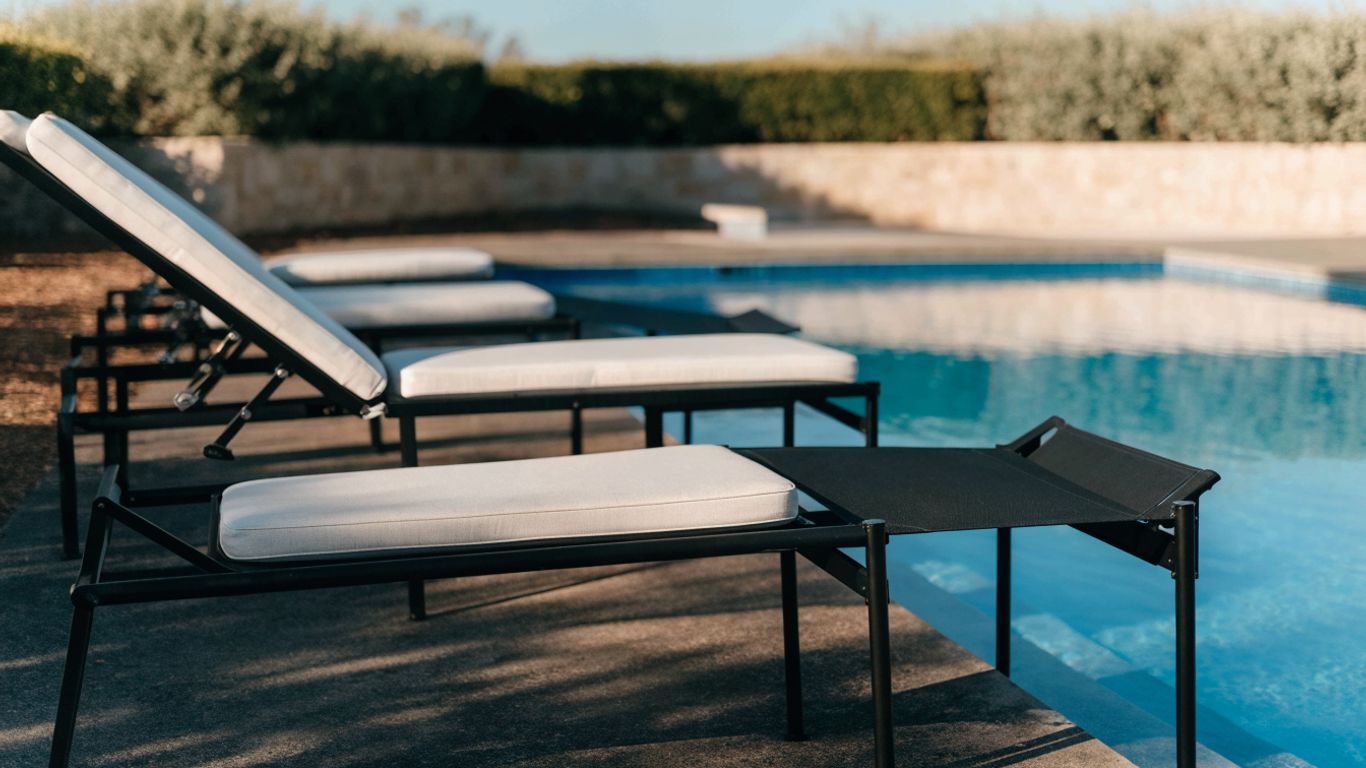
Adjustable backs let you change posture, but the hinges and locking positions need to work smoothly and securely. Check how many positions are offered and whether the adjustment seems easy to operate without forcing it. If you prefer to lie flat, a fixed design may be simpler; the Poolboy Floata-Long is made for lying flat rather than offering an adjustable back.
Ergonomics, seat height, and stability
Seat height affects how easily you can sit down and stand up, so consider who will use the lounger most often. Check the width and length as well as the stated capacity, and look for a shape that supports your preferred posture. A comfortable chair should also stay steady on its intended surface; test it on a similar floor or patio if you have the chance.
Cushions versus quick-drying sling seats
Cushions can add softness, though they may need to be removed, dried, or stored after a swim. Sling seats often drain more readily, but their tension and fabric condition deserve a check over time. Choose based on your routine: if you want fewer things to bring indoors, a simple quick-drying surface may be easier to manage.
Stackable, folding, and fixed designs
A stackable or folding lounger can save space, but its hinges and stacking points should feel secure and not pinch or catch. A fixed chair has fewer moving parts, though it may be less convenient to store or rearrange. Before deciding, consider where the loungers will live when they are not in use; the best design is one you can store without a daily struggle.
Check quality before you buy
A useful product listing tells you more than the color and overall shape. Look for concrete details about load limits, construction, care, warranty coverage, and parts. If any of those are missing, ask before you commit, especially for a lounger that will see frequent use.
Inspect joints, welds, and fasteners
Examine the points where parts connect, since that is where movement and repeated loading can reveal weak construction. Welds should appear even, fasteners should sit securely, and adjustable components should move without grinding or catching. Online, zoom in on close-up photos and check whether the product description identifies the construction rather than relying on broad claims about quality.
Review weight limits and product testing
The listed capacity should suit the people who will use the lounger, with a margin for ordinary movement rather than only still sitting. Check whether the maker describes testing or applicable standards, and look for clear instructions on placement and use. A number without context is less helpful than a stated limit alongside guidance about how the product should be used.
Compare warranties and replacement-part availability
A warranty is most useful when its terms are clear. Check its length, what it covers, and whether coverage depends on particular cleaning or storage practices. It is also worth asking whether worn items such as fabric, feet, or hardware can be replaced; a repairable chair may be easier to keep in service than one with no available parts.
Assess total cost over the lounger’s lifespan
Price is only one part of the purchase. Consider the care products, storage space, replacement parts, and effort the lounger may require over time. A slightly higher upfront cost may be reasonable if the construction, instructions, and support match your needs, but compare actual specifications rather than relying on price as a shortcut.
Maintain pool loungers to extend their life
Even a well-made lounger benefits from simple, consistent care. Follow the maker’s instructions first, since materials and finishes have different needs. A short rinse and a quick check for wear can prevent small problems from becoming reasons to replace the chair.
Rinse away chlorine, salt, and debris
After use, rinse off pool water, salt residue, and grit where the product instructions recommend it. Pay attention to corners, joints, and areas under cushions or straps, where debris can linger. Poolboy Floata-Long includes a pump and repair kit, and its product information describes the fabric and core as suited to pool use; follow the product’s care directions to keep it clean between sessions.
Clean materials with suitable products
Use cleaning products that suit the material, and avoid harsh scrubbing unless the manufacturer says it is safe. For a lounger with fabric, cushions, or a special finish, test a cleaner on an inconspicuous area when appropriate. Cleaning gently and regularly is usually more sensible than waiting until stains or residue have built up.
Protect loungers during storms and off-season storage
Before a storm or a long period without use, move or secure loungers according to the manufacturer’s instructions. Store cushions dry, and make sure the lounger itself is clean and dry if the care guidance calls for it. A few simple habits make seasonal storage easier:
- Rinse away pool chemicals and salt after use.
- Let wet surfaces dry before covering or storing them.
- Keep removable cushions in a dry, sheltered place.
- Follow the maker’s guidance for storms and off-season storage.
Those steps can reduce prolonged exposure to moisture and wind. Choose a storage spot you can use consistently; a sensible routine is more helpful than an elaborate plan you will forget.
Tighten hardware and replace worn parts
Check screws, feet, hinges, and fabric tension from time to time, especially if the lounger is used often or moved regularly. Tighten loose hardware only as directed, and replace worn parts before they affect stability or comfort. If the chair begins to wobble, sag, or move differently, stop using it until you have checked the cause.
Conclusion
To choose durable pool loungers, match the materials and construction to your pool environment, check the details that affect safety and upkeep, and pick a design you will use comfortably. Regular rinsing, sensible storage, and timely repairs give a good lounger a better chance of lasting well beyond the first summer.
Frequently Asked Questions
What should I look for in a durable pool lounger?
Check the frame, joints, fasteners, weight capacity, outdoor-use guidance, and care instructions. The right combination depends on whether the chair will sit on a patio, near the water, or in a pool.
Which pool lounger material lasts longest?
There is no universal answer because sun, water, salt, use, and maintenance affect materials differently. Compare the manufacturer’s specifications with your setting and the care you are willing to provide.
Can a regular patio lounger be used in a pool?
Not necessarily. Use a lounger in the water only when its instructions specifically allow that use, and check the stated depth and placement requirements.
How do I protect a pool lounger from chlorine and salt?
Follow the care instructions and rinse away residue when recommended. Regular cleaning helps prevent chemicals and grit from sitting on the surface or hardware.
Are cushions or sling seats better for poolside use?
Cushions may feel softer but can need extra drying and storage. Sling seats may drain more readily, so consider your comfort preference and the maintenance involved with each design.
How often should I inspect a pool lounger?
Check it periodically, and more often during heavy use. Look for loose fasteners, worn feet, sagging fabric, unstable joints, or changes in how moving parts operate.
Should I store pool loungers indoors during winter?
Follow the manufacturer’s storage advice and consider your local weather. Clean and dry the lounger as directed, and store removable cushions in a sheltered, dry place.
