






How to choose and care for a waterproof pool lounge cushion
Key Takeaways
A poolside cushion can cope with splashes and sun without being fully waterproof, so check its materials and construction before you buy. A close fit, sensible care, and dry storage all help it last.
- Measure the chair before choosing a cushion, including its back and seat.
- Check whether the fabric and seams resist water or are designed to be waterproof.
- Choose foam and covers suited to regular outdoor exposure.
- Rinse away pool chemicals and let the cushion dry completely.
- Store it in a dry, ventilated place when you are not using it.
What makes a pool lounge cushion waterproof
The word waterproof can sound absolute, but cushions vary in how they handle water. Some repel a brief splash, while others are built to resist water getting through the cover and seams. The foam and the way the cushion is stitched matter, too.
Waterproof versus water-resistant materials
Water-resistant fabric can shed light splashes while still allowing water to pass through during prolonged exposure. A waterproof cover aims to prevent that passage, though seams, zippers, and openings can remain vulnerable. For a cushion beside a pool, the distinction matters most when it is left in rain or repeatedly splashed.
This quick comparison can help you interpret product descriptions without treating the labels as interchangeable.
| Description | What it generally means | What to check |
|---|---|---|
| Water-resistant | Repels some moisture or light splashes | How long it can stay exposed |
| Waterproof fabric | Designed to block water through the fabric | Whether seams and closures are also protected |
| Quick-drying | Dries faster after getting wet | Whether the filling also drains or dries |
| Outdoor-rated | Intended for outdoor conditions | Specific resistance to sun, water, and chemicals |
A waterproof cover does not necessarily make the whole cushion waterproof. Look for details about seams and the insert, and think about whether you will bring the cushion in during heavy rain.
How fabric coatings and sealed seams help repel water
A coating can make the outer fabric less likely to absorb water, while sealed or covered seams help reduce entry points. These details are useful, but they do not make every cushion impervious to moisture. Water may still find its way through stitching, a zipper, or a worn area, especially after repeated exposure.
When comparing products, check the care label as well as the claims. Some coatings need gentle cleaning to avoid damage. If you are also refreshing other outdoor seating, outdoor cushion fabrics are worth comparing for their stated resistance to sun and moisture.
Why quick-drying, open-cell foam matters
A cushion’s insert affects how comfortable it feels after a swim and how long it stays damp. Open-cell foam has spaces that allow air and water to move through more readily than a dense, closed structure, though construction differs between products. If a description says only “waterproof,” look for separate information on the foam or fill.
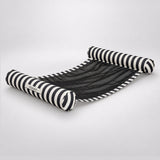
For an in-water lounger rather than a chair cushion, the Sinka-Bit from Poolboy is a floating hammock with a quick-drying mesh centre, Olefin bolsters, and a welded TPU core. That construction is specific to the product; it is not a claim about cushion inserts. The same principle applies when shopping: assess the filling as carefully as the cover.
Where water can still get into a cushion
Even a well-made cushion has potential entry points. Zippers, stitched seams, piping, and the area where the cover meets the underside can all let moisture in. Once water is inside, a thick insert may take longer to dry than the cover suggests.
Think about how the cushion will actually be used: a sheltered patio chair has a different exposure from a chaise beside a busy pool. If it will stay outdoors, favor clear construction details and plan to bring it in when rain is prolonged. “Waterproof” is a useful starting point, not a reason to leave any cushion wet indefinitely.
How to choose the right cushion
Start with the chair rather than the color or product name. Pool loungers vary in length, width, back shape, and how their frames support a cushion. A cushion that fits well is less likely to slide or bunch when you settle in.
Measure your lounge chair before you buy
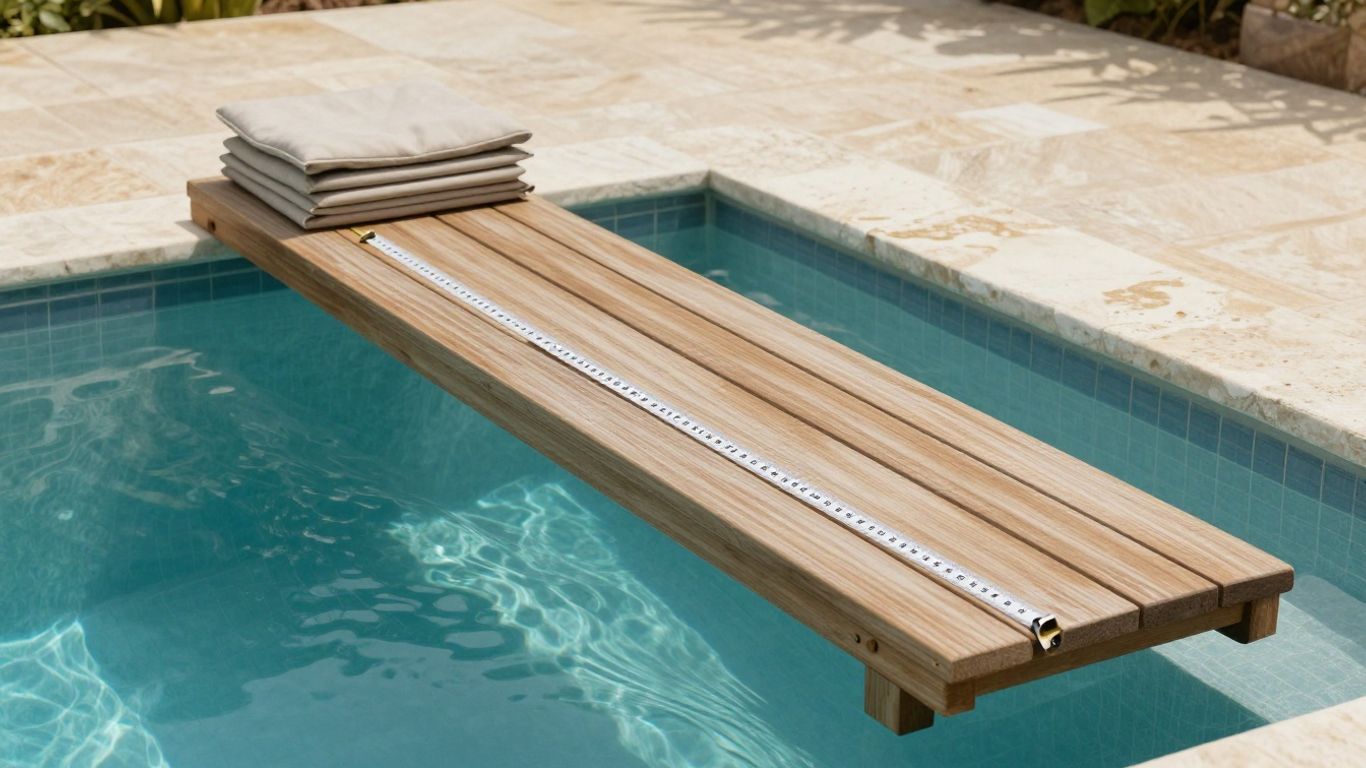
Measure the seat width and depth, then note the backrest length and any change in shape between the seat and back. Check for raised arms, curves, or gaps that may affect how the cushion sits. Compare your measurements with the cushion’s dimensions rather than relying on a general label such as “chaise size.”
A few centimetres can change how securely a cushion fits, especially on a long lounge chair. For broader poolside planning, this pool lounger sizing advice covers styles, comfort, materials, and care as well as what to measure.
Compare thickness, firmness, and support
A thicker cushion is not automatically more comfortable. Consider how much support you want and whether the chair itself is firm or flexible; a very soft cushion can feel different on each. If possible, check the stated thickness and filling rather than judging by photographs alone.
Look for a balance that suits how you use the lounger. You may prefer a little more padding for long reading sessions, but a cushion that compresses heavily can be awkward to get up from. The right choice is the one that feels supportive on your chair, not simply the plushest option on a product page.
Check ties, straps, and other ways to secure the cushion
A cushion can fit its dimensions and still move when you shift position. Ties, straps, or a non-slip underside help keep it in place, especially on a smooth frame. Before buying, check where those attachments sit and whether they can reach the chair’s crossbars or back.
If the chair will be moved often, removable ties or straps can be easier to manage than a fixed arrangement. Make sure the securing method does not pull the cushion out of shape, and check customer-facing measurements rather than assuming straps will fit every frame.
Match the shape and style to your poolside setup
Decide whether you want a full-length cushion, a separate seat and back pad, or a contoured shape. The right format depends on the chair and the way you lounge, while color and pattern are a matter of taste. Keep the pool surround in mind, too: a very pale cover may show sunscreen or dirt sooner than a patterned one.
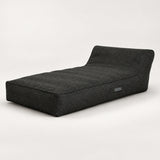
Poolboy makes the Floata-Long, a one-person pool lounger in cool-to-touch Olefin fabric over a welded TPU core. It is a floating lounger, not a chaise cushion, but its full-length format is a useful reminder to match the product’s shape to how you plan to relax. A cushion should suit the chair you own, not require you to work around it.
Which materials hold up best outdoors
Outdoor cushions face more than water. Sunlight, pool chemicals, salt, and everyday friction can affect fabric color and condition over time. Check the stated materials and care requirements, then weigh them against how much exposure the cushion will get.
Solution-dyed fabrics and fade resistance
In solution-dyed fabric, color is added to the fibers during production, rather than applied only to the finished surface. This construction is commonly used for outdoor textiles because it can help color hold up in sunlight. Still, fabric type, color, exposure, and care all influence how a cushion ages.
Poolboy’s Floata-Long uses solution-dyed Olefin fabric, as described for its range of floats and loungers. That is a product detail, not a promise that every Olefin cushion has the same construction or performance. For any cushion, check the specific fabric and the maker’s outdoor-use guidance.
Foam and fill options for wet environments
The cover may be the first thing you notice, but the insert determines whether the cushion feels supportive and how it behaves after getting wet. Some fills drain more readily; others hold moisture and need more time to dry. Ask whether the cover comes off and whether the insert has its own care instructions.
Avoid assuming that foam described as outdoor or water-resistant can be left soaked. If the cushion is likely to get wet often, a removable cover and a filling that can be aired separately may make care easier. These details can matter more than a small difference in cushion thickness.
UV, chlorine, and saltwater exposure
Direct sun can fade colors and gradually affect fabrics, while chlorine and salt can leave residue if they are not rinsed away. The level of exposure differs from one pool to another, and even outdoor materials benefit from routine care. Look for explicit claims about UV, chlorine, or saltwater rather than relying on a broad “weatherproof” label.
Poolboy describes its floats and loungers as made with UV- and chlorine-resistant Olefin and a welded TPU core. The Floata-Long is part of that range; those stated material features are specific to Poolboy’s products, not a general guarantee about cushions. For your cushion, verify its own product details and rinse it after exposure to pool water.
Trade-offs between comfort, durability, and price
A cushion that is inexpensive upfront may have fewer details about its fabric, foam, or construction. At the other end, a higher price does not automatically prove that a product suits your chair or conditions. Compare specific features alongside comfort and the expected amount of outdoor exposure.
A simple way to make the choice is to rank what matters most: fit, support, resistance to moisture, ease of cleaning, and the ability to replace a cover or insert. If you will store the cushion after each use, you may not need the same level of weather protection as someone who leaves it outside. Match the spend to the routine you actually have.
How to keep a cushion clean and dry
Regular, gentle care helps keep a poolside cushion pleasant to use. Sunscreen, dust, chlorine, and salt can build up on fabric even when there is no obvious stain. Follow the maker’s instructions first, especially if the cover is removable or treated.
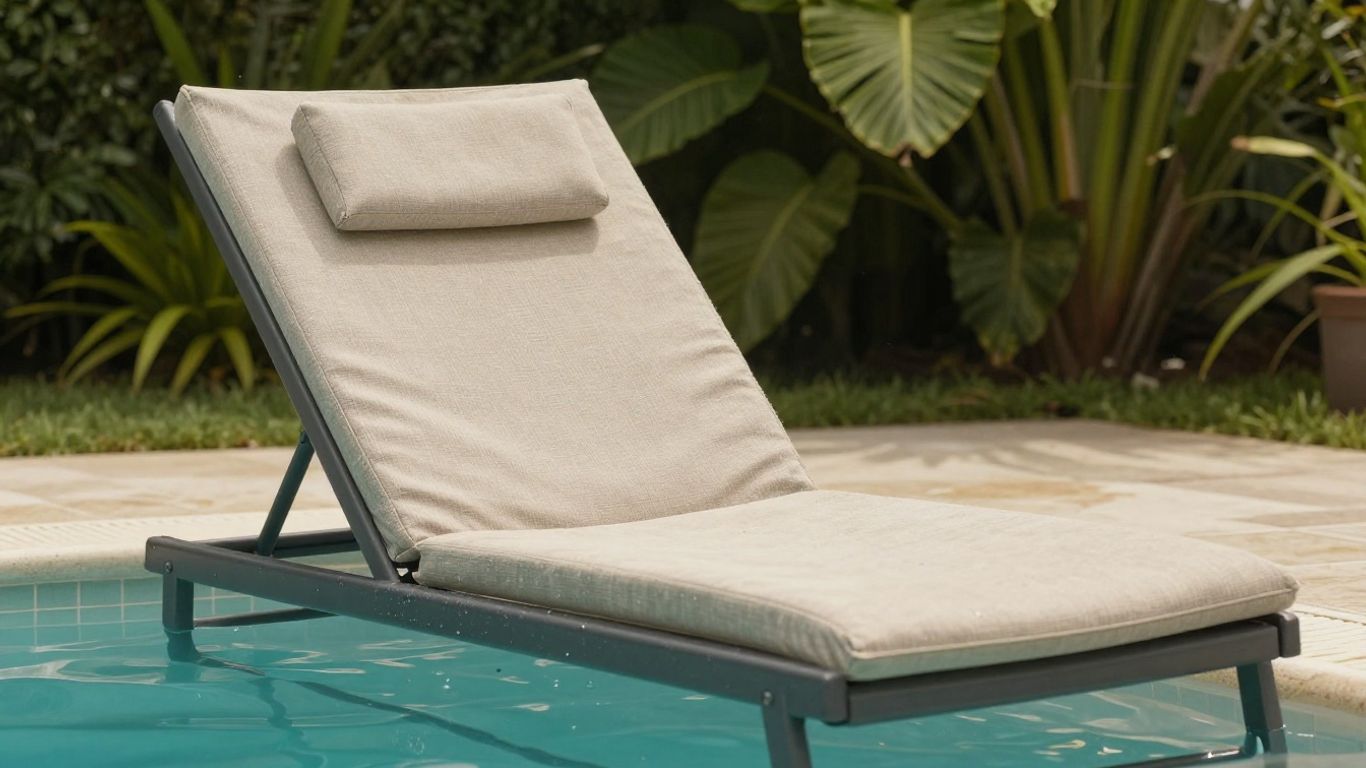
Rinse off sunscreen, chlorine, and salt
A light rinse can remove residue before it settles into the fabric. Do this after exposure to pool water or salt spray, and avoid directing a forceful stream into seams or openings. Let excess water drain before putting the cushion back on the chair.
For a practical routine, keep the steps simple:
- Brush or shake off loose dirt before rinsing.
- Use clean water to remove surface residue.
- Blot rather than scrub areas with sunscreen marks.
- Let the cushion air-dry fully before storing it.
This routine avoids unnecessary abrasion and gives moisture a chance to leave the cushion. If a label specifies a different cleaning method, use that guidance instead.
Spot-clean stains without damaging the fabric
Start with mild soap and water on a small, inconspicuous area. Use a soft cloth or brush and work gently, then rinse away soap so it does not leave a film. Avoid bleach, strong solvents, or aggressive scrubbing unless the manufacturer explicitly permits them.
A stain may need more than one gentle pass. Check how the fabric responds before treating a larger area, and do not put a removable cover back on while it is damp. Patience is less dramatic than a harsh cleaner, but it is usually kinder to the material.
Dry the cushion fully after rain or splashes
A damp cover can hide a wet insert, so check both before bringing the cushion indoors or covering it. Stand or prop it where air can move around the sides, and turn it if one surface stays damp. Avoid leaving it folded against a wall or stacked beneath other cushions.
If rain has soaked the insert, allow extra drying time rather than assuming a dry outer surface means the inside is ready. The aim is to prevent moisture from lingering in seams and filling. Put it away only when it feels dry throughout.
Follow the manufacturer’s care instructions
Care labels may set limits on washing, temperature, detergents, or whether a cover can be removed. Those instructions take priority over general advice because coatings, stitching, and fabric finishes vary. Keep the label or product information handy after purchase.
When you are unsure, use the gentlest method listed and test it in a hidden spot. A cushion that is cleaned carefully is easier to maintain than one treated with a product that damages its finish. Check the insert instructions separately if it can be removed.
How to protect a cushion between uses
A little protection between swims reduces the amount of cleaning and drying you need to do. Think about airflow as well as shelter: a cover can help keep dust and debris off, but damp fabric should not be sealed away. Storage habits matter most when cushions stay outside for long stretches.
Use a breathable cover when practical
A breathable cover can keep off loose dirt and some direct exposure while allowing air to circulate. Choose one that fits without pressing the cushion tightly into a damp, enclosed bundle. If the cushion is wet, let it dry before covering it.
A cover is not a substitute for checking the cushion after rain. Lift it occasionally to see whether moisture has collected underneath, and give the fabric room to air. That small check can help prevent a clean-looking cover from hiding a damp insert.
Store cushions during storms and off-season
Bring cushions inside before heavy rain or strong winds when you can. During a longer off-season, clean and dry them first, then store them in a dry place away from prolonged direct sunlight. Keep them off a wet floor and avoid placing heavy items on top.
If you have limited indoor space, prioritize the cushions most exposed to weather and check them periodically. A dry storage area is more useful than a tightly packed one that traps moisture. Make sure cushions are fully dry before they go away for the season.
Avoid trapping moisture in sealed storage
Plastic bins and sealed bags can be convenient, but they can also hold moisture if a cushion is put away before it dries. If you use a container, air the cushion first and make sure the storage space is dry. Do not seal away damp fabric after a quick surface check.
For longer storage, allow the cushion to breathe whenever possible. If you notice a musty smell, take it out, inspect it, and let it air thoroughly before using it again. The point is to keep water from lingering, not to create a perfect airtight package.
Inspect seams, closures, and foam for wear
Check the stitching, zipper, ties, and underside now and then. Look for fraying, loose seams, damaged closures, or foam that feels lumpy or no longer springs back. Catching a small problem early can help you decide whether the cover or insert needs attention.
After a season of regular use, compare the cushion’s condition with how it felt when new. If it has become difficult to dry or no longer sits securely, it may be time to repair or replace a component. Do not ignore a failing seam simply because the top fabric still looks fine.
What to check before purchasing
A clear product listing should tell you more than the cushion’s color and overall size. Look for dimensions, materials, filling, care requirements, and the terms that apply if something goes wrong. If those details are missing, ask before ordering.
Review warranty terms and outdoor-use claims
Read the warranty for its duration, exclusions, and any care requirements that affect coverage. Check whether the manufacturer describes the cushion as suitable for outdoor use and what that means in practice. A warranty does not replace sensible storage or make a cushion immune to wear.
Look for claims that are specific enough to compare, such as a stated fabric type or water-resistance description. Be cautious of broad terms without supporting details. If the product will sit beside a pool all summer, confirm that the maker’s guidance addresses that kind of exposure.
Look for replacement covers or inserts
A replaceable cover or insert can be useful if one part wears out before the rest. Confirm whether replacement components are actually available, and whether they are made for the exact cushion model. Similar-looking sizes are not always interchangeable.
Also check whether the cover can be removed for cleaning and how it should be washed. If you cannot replace components, consider how the whole cushion will be maintained over time. This is a practical detail to settle before the first splash, not after a zipper fails.
Compare shipping, returns, and custom sizing
Check delivery costs, dispatch estimates, and return conditions before purchasing. Some cushions are made to order or sized for a particular chair, which can affect how easily you can return them. Keep a record of measurements and product dimensions in case you need to compare options.
If the chair has an unusual shape, ask whether custom sizing is offered and what measurements the seller needs. Confirm any return limitations for made-to-order products. A few minutes spent on the terms can save a frustrating mismatch.
Verify that “waterproof” fits your poolside needs
Ask what parts of the cushion the waterproof claim covers: fabric, seams, closure, and insert. Find out whether the product is intended for brief splashes, regular outdoor exposure, or something else. Also consider whether you are willing to bring it in or cover it when the weather turns.
The word alone cannot tell you how a cushion will perform in your setup. Use the product details, care instructions, and your chair measurements together, then choose the option that fits your routine. For most poolside use, easy cleaning and complete drying matter just as much as water repellency.
Conclusion
Choosing a waterproof pool lounge cushion comes down to more than a label: measure the chair, check the cover and filling, and understand how seams and closures are made. Rinse away pool residue, let the cushion dry all the way through, and store it where moisture can escape. A well-fitting cushion that suits your care routine is more useful than one that only sounds waterproof on the product page.
Frequently Asked Questions
Can a waterproof pool lounge cushion stay outside in the rain?
Check the product’s specific claims and care guidance. Even a waterproof cover may have seams or openings that allow moisture in, so bringing the cushion in during prolonged rain is a sensible precaution.
Is water-resistant the same as waterproof?
No. Water-resistant materials can repel some moisture or splashes, while waterproof materials are intended to block water through the fabric. Seams, closures, and the insert still need to be considered separately.
What is the best filling for a poolside cushion?
There is no single best filling for every chair and use. Compare support, drainage, drying time, and whether the insert can be removed, then follow the manufacturer’s care details.
How often should I rinse a pool cushion?
Rinse it after exposure to chlorine, salt, or other residue, especially if it gets regular use. A gentle rinse and full drying can help keep buildup from lingering on the fabric.
Can I machine-wash an outdoor cushion cover?
Only if the care instructions say machine washing is suitable. Some covers have coatings or construction details that require a gentler method, so check the label before washing.
How do I dry a cushion after it gets soaked?
Let it drain, then position it so air can reach all sides. Turn it as needed and wait until both the cover and insert feel dry before covering or storing it.
How can I stop a lounge cushion from sliding?
Choose a size that matches the chair and check for ties, straps, or a non-slip underside. Make sure the attachments can reach the frame without pulling the cushion out of shape.