


Fabric pool floats: how to choose, use, and care for them
Key Takeaways
Fabric pool floats pair a textile outer cover with an inner structure that provides buoyancy. The right choice depends on how you like to lounge, how much care you can give it, and where you’ll store it.
- Consider the cover, inner core, and construction together.
- Choose a shape that suits how you plan to relax.
- Check dimensions, weight limits, and care instructions before buying.
- Rinse and dry your float fully after use.
- Store it somewhere cool and dry between seasons.
What makes fabric pool floats different
Fabric pool floats have a textile surface rather than a smooth, exposed inflatable shell. Many pair a fabric cover with an inner core that provides buoyancy, though the exact design varies by float. As you compare options, look at how those two parts work together, not just the color or shape.
How fabric covers and inner cores work together
A fabric cover is the part you touch; the inner core is what helps the float stay buoyant. Covers may be fixed or removable, while the core may use different materials and construction methods. Check the product details to see whether the cover can come off for cleaning and how the inner structure should be maintained. For a broader overview of how material and construction affect selection, this fabric-float guide is a useful companion.
Common fabrics and their feel in the water
The fabric name alone won’t tell you exactly how a float feels, but it can help you compare care instructions and intended use. Some covers feel smooth and tightly woven; others have a more textured hand. When possible, consider the fabric in the context of its lining and core, and check whether the maker gives specific guidance about sun exposure, pool water, and cleaning.
How fabric floats compare with vinyl inflatables
A fabric-covered float and an inflatable with an exposed vinyl surface can differ in feel, appearance, and how they’re cared for. Neither construction tells you everything about comfort or durability: seams, core design, cover fit, and weight limits matter too. Poolboy’s Floata-Long is a full-length fabric pool lounger made with solution-dyed Olefin and a welded TPU core, a specific example of fabric-and-core construction.
Benefits and trade-offs to consider
Fabric floats can bring a softer, more textile-like feel to the pool, and they offer plenty of room for color and pattern. They also need practical care: water can remain in the fabric, and a float may be heavier to move when wet. Think about how often you’ll use it, where it can dry, and whether you have space to store it out of the way.
Comfort, breathability, and lounging support
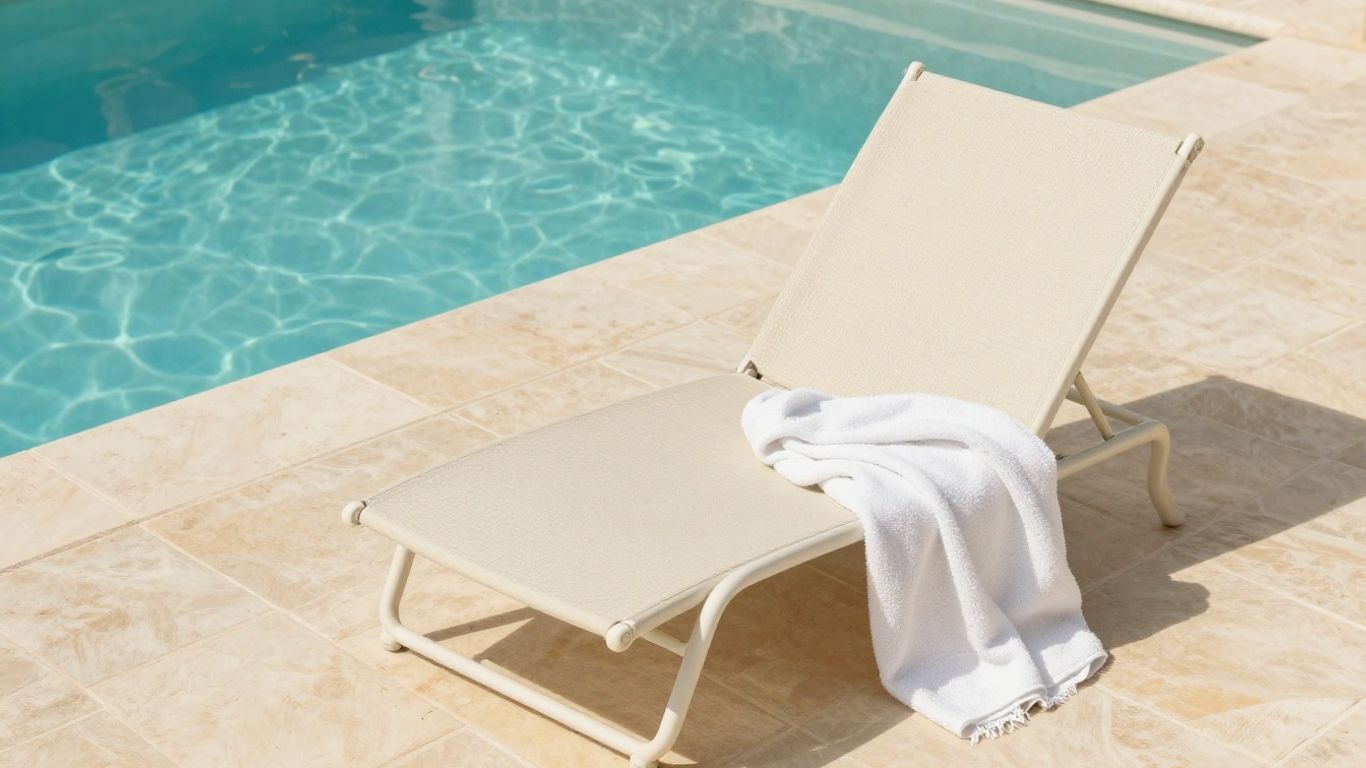
A fabric surface can feel different from a smooth inflatable, especially when you settle in for a longer float. Comfort still depends on the shape and the support under you: a broad lounge surface, a raised section, or a recessed seat each suits a different posture. Poolboy’s Floata-Round has a 140 cm-wide design and recessed seat, details to consider if that style of lounging appeals to you.
Durability, fading, and resistance to pool chemicals
Sun, pool treatments, salt water, and repeated handling all influence how a float looks and wears. Construction details such as seams, joints, and the way a cover fits around its core are worth checking, alongside any stated resistance claims. Poolboy’s Floata-Long is described as chlorine- and salt-resistant; for any float, follow its own care directions rather than assuming every fabric behaves the same way.
Drying time, weight, and storage needs
Fabric can hold water after you leave the pool, so drying time is part of the ownership routine. A damp float may also be awkward to carry or put away, particularly if it’s a larger lounger. The table below gives you a simple way to think through the trade-offs before settling on a style.
| What to compare | Why it matters | What to check |
|---|---|---|
| Surface fabric | Affects feel and routine care | Cleaning and drying instructions |
| Inner core | Contributes to buoyancy and support | Construction and maintenance guidance |
| Size and shape | Determines how you can lounge | Dimensions and weight capacity |
| Storage needs | Helps you plan between uses | Drying space and storage location |
Use the product’s instructions to resolve any uncertainty, especially around drying and storage. A float that suits your pool but has nowhere to dry can become a nuisance; a little planning helps avoid that.
How to choose the right float
Start with how you actually want to spend time in the water. Some people want a full-length surface for stretching out, while others prefer a smaller shape for sitting or drifting. Compare the available dimensions and support details before deciding, and make sure the float will fit the pool and the people using it.
Match the float style to how you plan to relax
Think about your usual pool routine: do you like to recline, sit upright, or shift between the two? A lounger can suit a longer, laid-back float, while a rounder or more compact design may be easier to move around. Poolboy describes its Floata-Long as a full-length fabric pool lounger for relaxing on or beside the water, which makes the stated use clear without requiring you to guess from a product photo.
Check dimensions, weight capacity, and support
Dimensions tell you whether the float will fit your pool and give you enough room to settle in. Weight capacity matters for safe use, so check the maker’s stated limit and don’t infer one from appearance. To keep the comparison practical, note these details before you buy:
- Measure the pool area where you expect to use the float.
- Compare the float’s dimensions with your preferred lounging position.
- Check the stated weight capacity for each intended user.
- Look for support features that match how you like to sit or recline.
Taken together, those checks help you avoid choosing by color alone. If more than one person may use the float, make sure the dimensions and capacity suit that use too.
Look for removable covers and quality construction
A removable cover can make some cleaning tasks easier, but not every fabric float has one. Read the product description to learn how the cover attaches, whether the inner core is accessible, and which parts can be cleaned separately. Also inspect the construction details the maker provides, including seams or welded areas, rather than treating a polished appearance as proof of quality.
Find a style that suits your pool
A float becomes part of the view when it’s left beside the pool, so color and pattern can matter as much as shape. Consider the colors already present in your outdoor space, from the paving and planting to towels and cushions. A little coordination can make a practical piece of pool gear feel at home there.
Choose colors and patterns for your outdoor space
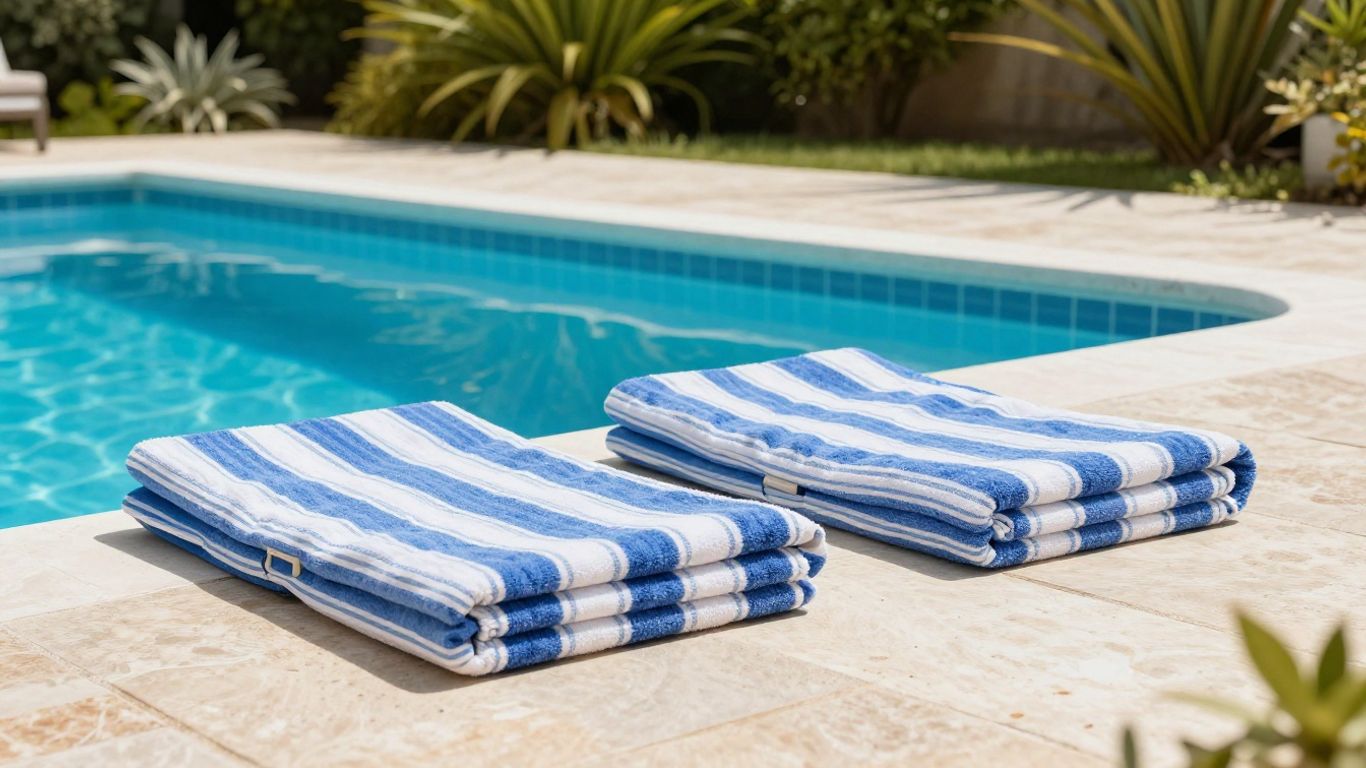
Look at the pool area in daylight and consider whether you want the float to blend in or stand out. Solid shades can sit quietly among existing furnishings, while stripes and brighter patterns add a clear accent. For more inspiration on colorful fabric-float styles, browse a range of patterns and shapes, then choose what feels right for your own space.
Coordinate floats with towels and other pool accessories
You don’t need to match every item exactly. Repeating one color between a float, towels, and a few accessories can make the area feel considered without looking overly arranged. If you already own patterned towels, a simpler float may balance them; a patterned float can add interest to a more neutral poolside setting.
Consider how fabric and color affect upkeep
Fabric color may influence how noticeable everyday marks appear, while the weave and construction affect how you clean the cover. Light and dark shades each have their own practical considerations, so follow the care guidance for the specific fabric rather than relying on a general rule. Choose a pattern and color you like, but make sure the maintenance routine feels manageable too.
Care for fabric pool floats
Regular care is mostly simple, but it works best when you do it before putting a float away. Pool water, salt, sunscreen, and outdoor grime can collect on the surface over time. Check the manufacturer’s instructions first, since cleaning methods and drying advice can vary by fabric and construction.
Rinse away chlorine, salt, and sunscreen
After use, rinse the float with fresh water to remove pool water or salt and any sunscreen residue on the surface. Pay attention to areas that had regular contact with skin, and avoid leaving the float wet in a heap. The float-care tips offer a helpful reminder to rinse, dry, and store a float somewhere dry.
Clean stains without damaging the fabric
Treat a mark gently instead of reaching straight for a strong cleaner. Check the label or care instructions for suitable products, and test a cleaning method on a small, inconspicuous area if the guidance allows it. Avoid scrubbing aggressively or using an unapproved chemical, since either may affect the cover or its color.
Dry floats fully before storing them
Give the float enough time to dry before putting it away, including seams, folds, and any fabric areas that take longer to air out. If the cover can be removed, follow the maker’s instructions about drying it and the core separately. A float that feels dry on the surface may still hold moisture in a tucked-away spot, so check it before storage.
Use and store floats with care
A float lasts longer when you use it as intended and give it a sensible place to live between pool days. Read the product guidance before first use, especially for weight limits and maintenance. A few small habits can help prevent avoidable wear during the season and when you pack things away.
Follow the manufacturer’s use and maintenance guidance
The maker’s instructions are the best source for use limits, cleaning, and storage for a particular float. Follow stated capacity limits and any directions about the inner core or cover. If a detail isn’t clear, check with the manufacturer rather than assuming that a general tip applies to every design.
Keep floats away from sharp edges and rough surfaces
Drag or abrasion can wear fabric and stress construction points, even when a float is designed for regular use. Lift it over rough paving where practical, and keep it clear of sharp pool fittings, garden tools, and other objects that could snag or puncture it. These modest precautions are easier than dealing with damage later.
Store them in a cool, dry place between seasons
Once the float is clean and fully dry, store it in a cool, dry place away from prolonged direct sun. Avoid compressing it under heavy items or leaving it somewhere damp. Before the next season, inspect the fabric and construction, then follow the manufacturer’s guidance before returning it to the water.
Conclusion
Fabric pool floats are easiest to enjoy when their shape suits your routine and their care fits your space. Compare the cover and core, check dimensions and use limits, then rinse, dry, and store the float as directed. A comfortable choice is one you’ll be glad to bring out again.
Frequently Asked Questions
What makes a pool float a fabric float?
A fabric pool float has a textile outer surface, often paired with an inner structure that provides buoyancy. Materials and construction vary, so check the product details for the specific design.
Are fabric pool floats comfortable?
Comfort depends on the fabric feel, float shape, and support underneath you. Consider whether you prefer to recline, sit, or stretch out, and compare the design details with that preference.
How do I clean a fabric pool float?
Rinse away pool water and residue after use, then follow the maker’s instructions for any spot cleaning. Avoid harsh cleaners or aggressive scrubbing unless the care guidance specifically allows them.
Do fabric pool floats take longer to dry?
They may need time for moisture to leave the cover, seams, and folds. Drying time depends on the fabric, construction, and conditions, so let the float dry fully before storing it.
Can I leave a fabric pool float in the sun?
Follow the manufacturer’s advice on sun exposure. When the float is not in use, storing it out of prolonged direct sunlight can help limit unnecessary exposure.
What should I check before buying a fabric pool float?
Review its dimensions, stated weight capacity, shape, construction, and care instructions. Make sure you have enough space to use it and somewhere suitable to dry and store it.
How should I store a fabric pool float between seasons?
Rinse and clean it according to the care guidance, allow it to dry fully, and keep it in a cool, dry place. Check it before using it again after storage.