


Olefin Pool Float Guide: Benefits, Care, and How to Choose One
Key Takeaways
An olefin pool float combines a fabric cover with a design that suits the way you want to lounge. Look beyond the fabric name to fit, construction, care, and safe use.
- Olefin is a synthetic outdoor fabric; check whether it is solution-dyed and how it is used in the float.
- The cover and the float’s inner structure have different jobs, so assess both.
- Shape, dimensions, and support should match your pool and how you plan to relax.
- Rinsing, drying, and storing the float properly help keep it in good condition.
- Follow the maker’s use and weight guidance, and inspect the float before each season.
What an olefin pool float is
An olefin pool float uses olefin fabric as part of its outer covering, but the fabric is only one part of the design. You’ll also want to know what provides buoyancy and how the parts are joined. Those details affect how the float feels, handles water, and fits your routine. A quick look at the construction label or product description can tell you more than the fabric name alone.
How olefin fabric is made
Olefin is a synthetic textile made from polyolefin fibers. In solution-dyed fabric, color is added during the fiber-making process rather than applied only to the finished surface. That construction can help the color withstand outdoor exposure, though exact performance depends on the fabric and its care. Check the product description for the specific fabric treatment instead of assuming every olefin float is made the same way.
How olefin differs from other outdoor fabrics
The term olefin describes the cover material, not the whole float. Some fabric-covered designs use solution-dyed olefin and an internal welded TPU core; the textile provides the outer feel while the core holds air. That distinction is useful when you compare options, since a cover’s appearance and hand-feel won’t tell you what is inside. Look for a clear description of both the fabric and the float’s internal structure.
Where olefin fits into a pool float’s construction
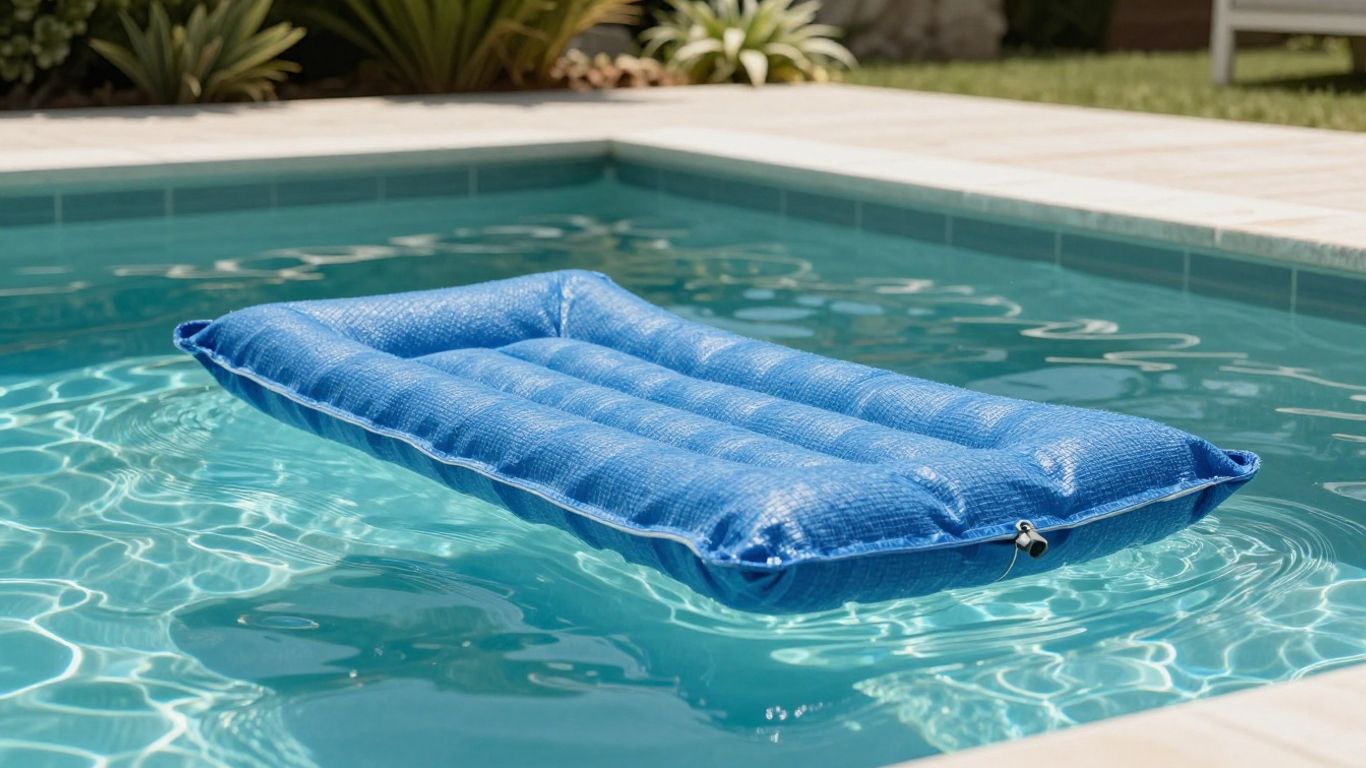
On a fabric-covered inflatable, olefin typically forms the exterior, while an internal bladder or core provides buoyancy. Seams, valves, and any mesh panels each have their own role, so they deserve a glance too. The Floata-Long, for example, is described as solution-dyed Olefin fabric woven over a welded TPU core. That kind of material detail helps you understand what you’re buying, rather than treating “olefin” as a complete construction description.
Benefits of olefin pool floats
Olefin is used in outdoor settings because its properties can suit exposure to sun and water. A float’s actual performance still depends on the fabric treatment, construction, and how you care for it. It’s worth separating what the cover can offer from what the entire float can withstand. That way, you can weigh its benefits without expecting the material to prevent every kind of wear.
How the fabric handles sun exposure
Sunlight can gradually affect outdoor fabrics, so ask whether the olefin is solution-dyed and whether the maker describes it as UV resistant or fade resistant. With solution-dyed fabric, color is infused through the fiber, a detail associated with better color retention in outdoor use. Even then, prolonged direct sun can take a toll over time. When the float is out of use, moving it into shade is a simple way to limit unnecessary exposure.
Resistance to moisture, mildew, and stains
A fabric float spends time around splashes, sunscreen, and pool chemicals, so moisture management matters. Some fabric-covered designs use materials that shed water, but the full construction determines how water moves through or out of the float. Don’t assume a fabric surface means every interior component dries at the same speed. Rinse off residue and allow the whole float to dry before putting it away.
Color retention and everyday durability
Solution-dyed color is one reason outdoor fabrics are chosen for bright, exposed spaces. Durability also depends on seams and the underlying structure, not just the cloth. As a practical comparison point, product descriptions may identify the cover, core, and any mesh separately:
| Component | Role in a fabric float | What to check |
|---|---|---|
| Olefin cover | Forms the textile exterior | Whether it is solution-dyed |
| Welded TPU core | Holds air inside an inflatable design | How the core is described |
| Mesh panel | Allows an open section in some designs | Where it is placed and how it feels |
| Seams and valve | Join or close parts of the construction | Whether details are clearly specified |
Those details give you a more useful basis for judging everyday wear than color alone. A float may have an outdoor-suited cover, but care and construction still matter season after season.
What olefin fabric does not protect against
Olefin fabric does not make a float puncture-proof, immune to rough handling, or suitable for every use. It also cannot replace the care instructions for an internal bladder, seams, or valve. Sharp pool edges and dragging the float across abrasive surfaces can damage materials regardless of the cover. Treat claims about the fabric as one part of the product’s overall specification.
Comfort and design features to consider
Comfort depends on how the float supports your body and how its materials feel when you’re using it. A cover can feel like upholstery, while the shape and inner structure determine whether you sit upright or stretch out. Think about how long you tend to lounge and whether you want to float fully on top of the water or closer to it. A good match is the one that suits your habits, not simply the one with the most features.
Cushioning, fill, and overall support
Look for a description of the float’s fill or core and how it supports your weight. Inflatable designs depend on their internal structure and the amount of air in the float, while other constructions may feel different under your body. Support is also shaped by bolsters, raised sections, and the position of your head and legs. If the product description is vague, ask what actually sits beneath the fabric.
Fabric texture and feel against skin
A textile exterior can feel different from a smooth, non-fabric surface, especially on a hot day. The exact feel varies by weave and finish, so a written description is only a guide if you’re particular about texture. If you can, look at the fabric in person or request a swatch. For other adult pool float options, use the same practical questions about cover material and contact with skin rather than relying on photos alone.
Float shape and intended use
Choose the shape based on how you like to spend time in the water. A long, flat lounger suits stretching out; a round design with a recessed seat is intended for sitting more upright; and a floating hammock with a mesh centre lets you sit partly in the water. The Sinka-Bit is described as a floating hammock with a quick-drying mesh centre and Olefin bolsters. Matching shape to your preferred position can make a bigger difference than choosing a particular colour.
Seams, closures, and construction details
Check how the seams are made, where the valve sits, and whether any closure is easy to access. Welded seams and a recessed valve are specified on some fabric-covered designs, but details vary between products. Ask whether the float arrives ready to use or needs inflation, and whether the maker gives clear care instructions. These small construction points are easier to assess before purchase than after a float is in the water.
How to choose the right olefin pool float
Start with the space you have and the way you plan to use the float. Then compare the product’s dimensions, weight guidance, materials, and care needs. A clear specification lets you judge whether the float is practical for your pool, rather than choosing from appearance alone. Before buying, it can help to check a few details side by side.
Match the float to your pool and activities
Think about whether you want to lie back, sit upright, or stay partly immersed. Consider how much room the float will take up in the pool and where you’ll keep it when it’s not in use. A round, seat-like float may suit a different routine than a long lounger. The Floata-Round, for example, is described as a 140 cm-wide design with a recessed seat and bolster ring for sitting securely.
Check dimensions and weight capacity
Compare the listed length, width, and height with your pool and storage space. Check the manufacturer’s weight capacity and intended use before anyone climbs aboard; don’t estimate from the float’s appearance. Dimensions can also help you work out whether you’ll have room to move around it or use other pool equipment. If weight guidance isn’t listed, contact the seller rather than guessing.
Compare fabric coverage and float materials
Read the full materials description, not just the headline fabric name. Check whether the olefin covers the whole float or selected sections, and find out what forms the inner core. This matters when you compare feel, care, and how the float is assembled. A guide to olefin and float construction can help you distinguish the cover from the bladder and understand why both descriptions matter.
Balance price with expected use
Price is easier to judge when you know how often you’ll use the float and what construction is included. Compare materials, seams, dimensions, and any stated care or warranty information, rather than assuming a higher price guarantees a better fit. If you’ll use it regularly, a well-described construction may be worth weighing against the upfront cost. If you’re still deciding, use this short checklist:
- Confirm the float’s shape suits your preferred lounging position.
- Compare its dimensions with your pool and storage area.
- Check the cover material and the inner structure separately.
- Read the weight guidance and care instructions before buying.
A few minutes spent checking those points can prevent a mismatch. The best choice is the one that fits your pool, use, and budget without requiring guesswork.
How to clean and maintain an olefin pool float
Routine care is straightforward: remove pool residue, let the float dry, and store it according to its instructions. This is useful whether your pool uses chlorine or salt, and it helps keep the float ready for the next swim. Always follow the maker’s directions for cleaning products and inflation. A simple routine is usually easier to keep up with than a complicated one.
Rinse away chlorine, salt, and sunscreen
After use, rinse the float with fresh water to remove residue from pool water and skin products. Pay attention to seams, folds, and any mesh sections where grime can collect. Don’t use high-pressure water unless the manufacturer says it is safe for the materials. A prompt rinse is a small habit that makes the rest of the cleaning process easier.
Remove stains with fabric-safe cleaners
For a mark that remains after rinsing, use a cleaner approved for the fabric and test it on a discreet area first. Avoid harsh solvents or abrasive tools unless the care label specifically allows them. A gentle approach helps reduce the risk of changing the fabric’s color or texture. If the stain persists, check the manufacturer’s cleaning guidance before trying a stronger treatment.
Dry the float fully before storing it
Allow the cover and internal areas to dry fully before storage; damp folds can hold moisture and develop odors. A useful routine is to rinse first, then give the float space and time to air dry before putting it away:
- Shake or drain away excess water after use.
- Rinse the surface with fresh water.
- Leave the float in a well-ventilated spot until dry.
- Store it only when the fabric and accessible parts are dry.
That sequence keeps cleaning simple and reduces the chance of storing trapped moisture. Follow any product-specific directions about deflating or positioning the float as it dries.
Check seams and fabric for wear
Before putting the float away, look over the seams, valve area, and cover for damage or loose threads. If it has an inflatable core, check whether it holds air as expected and follow the maker’s guidance if it does not. Catching a small issue early may make it easier to address. The care and storage routine offers a useful reference for rinsing, drying, and putting a float away between uses.
Safe use and storage
A fabric cover does not make a pool float a safety device. Use it only as intended, and keep a close eye on anyone who needs supervision in or near the water. Follow the manufacturer’s instructions for weight, inflation, and use, and store the float where it is less exposed to unnecessary wear. Those everyday precautions are simple, but they matter.
Follow the manufacturer’s weight and use guidelines
Read the weight capacity and intended-use information before use, and make sure everyone using the float follows it. A pool float is for lounging, not a substitute for a life jacket or adult supervision. Keep children under appropriate supervision around water, even when they are on a float. If the product instructions limit where or how it should be used, follow those limits.
Keep floats away from sharp edges and rough surfaces
Avoid dragging the float across concrete, rough decking, or sharp pool edges. Such contact can abrade the fabric or damage seams and an internal core. When moving it, lift it where practical and set it down on a clean surface. A little care on land can help prevent avoidable damage in the water.
Store the float out of prolonged sun when not in use
When you’re finished, rinse and dry the float, then keep it out of prolonged direct sunlight when practical. Follow the product’s storage instructions, especially if it should be deflated or kept in a particular position. A dry, shaded storage spot also helps keep the float out of the way of garden tools and other sharp objects. Good storage is simple, not ceremonial.
Know when to repair or replace a worn float
If you notice a damaged seam, a persistent leak, or fabric wear that affects use, stop using the float until you’ve checked the manufacturer’s advice. Small punctures may be repairable when the product instructions allow it, but a weakened seam or recurring air loss needs more attention. Don’t keep using a float if it no longer behaves as intended. When in doubt, ask the maker whether repair is appropriate.
Conclusion
An olefin pool float is worth choosing with its full construction in mind: the cover, core, shape, and care instructions all contribute to the experience. Match those details to how you use your pool, rinse and dry the float after use, and follow the maker’s guidelines for safe use and storage.
Frequently Asked Questions
What is olefin fabric?
Olefin is a synthetic textile used in some outdoor fabrics. Product descriptions may specify whether it is solution-dyed, which means color is added during fiber production.
Does olefin fabric fade in the sun?
Solution-dyed olefin is used in outdoor settings for color retention, but no fabric is entirely unaffected by prolonged sun exposure. Storing a float in shade when it is not in use can help limit exposure.
Does an olefin pool float need to be dried after use?
Yes. Rinse away pool residue and let the float dry fully before storage. Follow the manufacturer’s directions for drying and positioning.
Can I use household cleaner on an olefin float?
Check the care label first and use a cleaner approved for the fabric. Test it on a discreet spot and avoid abrasive tools or harsh solvents unless the maker allows them.
How do I choose a float shape?
Choose based on how you prefer to lounge: lying flat, sitting more upright, or staying partly immersed. Also account for the pool space and storage area you have.
Are fabric pool floats puncture-proof?
No. A fabric cover does not prevent damage from sharp objects, rough surfaces, or wear to an inflatable core. Inspect the float and follow the maker’s repair guidance.
How should I store a pool float between uses?
Rinse it, allow it to dry completely, and store it according to the manufacturer’s instructions. Keeping it out of prolonged direct sun and away from sharp objects is sensible when possible.