


How to choose durable pool floats that last season after season
Key Takeaways
A float’s lifespan depends on more than its material label. Look closely at construction, fit, care instructions, and what the warranty actually covers.
- Compare materials by considering sun, water exposure, puncture risk, and upkeep.
- Inspect seams, valves, and reinforced areas that take repeated strain.
- Choose a shape and capacity that suit your usual setting and lounging style.
- Rinse, dry, and store your float carefully between uses.
- Check repair options and warranty exclusions before weighing the purchase price.
Compare materials for durability
The material affects how a float feels, how it handles wear, and how much care it needs. No one construction is ideal for every setting, so start by thinking about sun exposure, storage space, and how often the float will be used. A few practical differences can help you compare options without relying on vague claims about toughness.
PVC thickness and puncture resistance
Inflatable floats vary in material thickness and construction, and a thicker appearance alone does not tell you how well a product will hold up. Check for clear information about the material, seams, and repair options, then consider where the float will be used. Smooth pool decks, rough paving, and natural shorelines all create different risks.
The material comparison in fabric and bladder construction is a useful reminder to look at both the outer surface and the part that holds air. Poolboy uses solution-dyed Olefin fabric over a welded TPU core. That gives you a specific construction to evaluate, rather than a generic promise of durability.
UV-resistant fabrics and coatings
Strong sunlight can fade materials and make some surfaces less pleasant to touch. Look for specific information about UV resistance and colourfastness, and check whether the colour is part of the fibre or applied as a surface treatment. Poolside shade helps too, but a float that is left in direct sun between uses will generally face more wear than one stored out of the sun.
Foam construction and water absorption
Foam does not need inflation, but it still deserves a close look. Ask whether the construction is designed to shed water or whether it may retain moisture, especially if you plan to put it away soon after swimming. Drying time, storage space, and the float’s weight when wet can all affect whether a foam design suits your routine.
Different constructions come with different trade-offs, so this quick comparison can help narrow your options:
| Construction | What to check | Practical consideration |
|---|---|---|
| Inflatable PVC | Material details, seams, and repair guidance | Needs careful handling around sharp edges |
| Fabric over an air core | Outer fabric, welded core, and valve placement | Check cleaning and drying instructions |
| Foam | Water absorption and drying time | Consider storage space and weight when wet |
Use the table as a starting point, not a guarantee of lifespan. The manufacturer’s care instructions and the quality of the finished construction matter just as much as the material category.
Inspect construction and design
Small details often reveal how a float is intended to handle regular use. Look beyond the silhouette and check the places where pressure, movement, or handling put extra strain on the construction. If you can inspect the float in person, run your eye along the seams and around the valve before deciding.
Seams, welds, and reinforced stress points
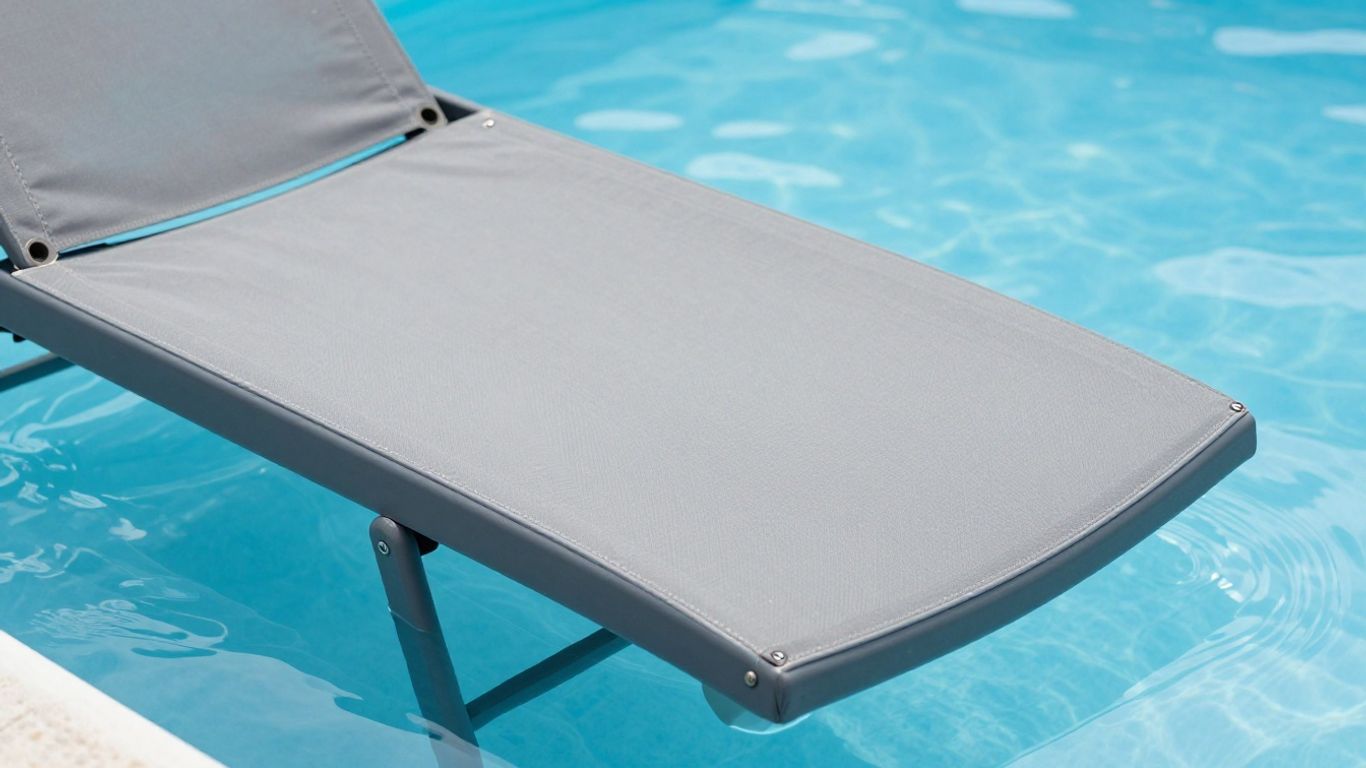
Seams are worth a close inspection because they join sections that may flex as you move. Look for even construction and reinforcement where handles or shaped sections meet the main body, if those features are present. Poolboy describes welded seams and a welded TPU core in its float construction; the useful takeaway is to check how the outer material and air-holding section are joined, rather than judging by appearance alone.
Valves, closures, and removable covers
A valve should be easy to access without sitting directly beneath you or rubbing against your skin. Check that it closes securely and sits in a position that is unlikely to catch on nearby objects. If a float has a removable cover or closure, find out whether it can be cleaned and replaced without difficulty.
Shape, stability, and weight distribution
A float’s shape affects how it sits in the water and how easily it shifts when you move. A broad base, a recessed seat, or raised supports may suit different ways of lounging, but none makes every design right for every swimmer. Consider whether you prefer to lie flat, sit more upright, or keep part of your body in the water, then look for a shape built around that position.
Match the float to how you’ll use it
A float that works well in a calm backyard pool may not be the best choice for carrying to the beach or using on a lake. Think about the surfaces it will encounter, how far you need to transport it, and whether you want to lounge alone or share the space. Being realistic about your usual routine is more useful than choosing the largest or most elaborate option.
Pool lounging versus lake or beach use
For a backyard pool, you may value easy cleaning and a comfortable shape for long, quiet breaks. At a beach or lake, portability and exposure to sand, shoreline surfaces, and changing conditions deserve more attention. Read the care guidance for your intended setting; open-water float care highlights drying and cleaning after use in natural waters.
A float is for relaxing, not for replacing a life jacket or other appropriate safety equipment. Keep use within the manufacturer’s directions, and stay attentive to changing water and weather conditions. This short video on choosing a pool float can help you think through basic differences in style and use.
Single-rider and multi-rider designs
A single-rider float can be easier to position and store, while a larger design may give more room to share. Check the stated weight limit and usable dimensions rather than assuming a wide-looking float can safely hold several people. Extra riders also change how the float sits in the water, so follow its capacity guidance.
Foldable and portable options
If you need to carry a float between home and the water, check its packed size and weight as well as how it folds or deflates. A compact design may be easier to store, but it should still be simple enough to prepare without forcing seams or closures. Think about where it will dry and whether you have a suitable place to keep it between outings.
Check fit, capacity, and comfort
A float can be well made and still feel wrong for your body or preferred position. Before buying, compare the dimensions you can actually use with the way you expect to sit or lie down. Comfort also depends on how the float supports you in the water, not just how soft it feels on a shop page.
Weight limits and usable dimensions
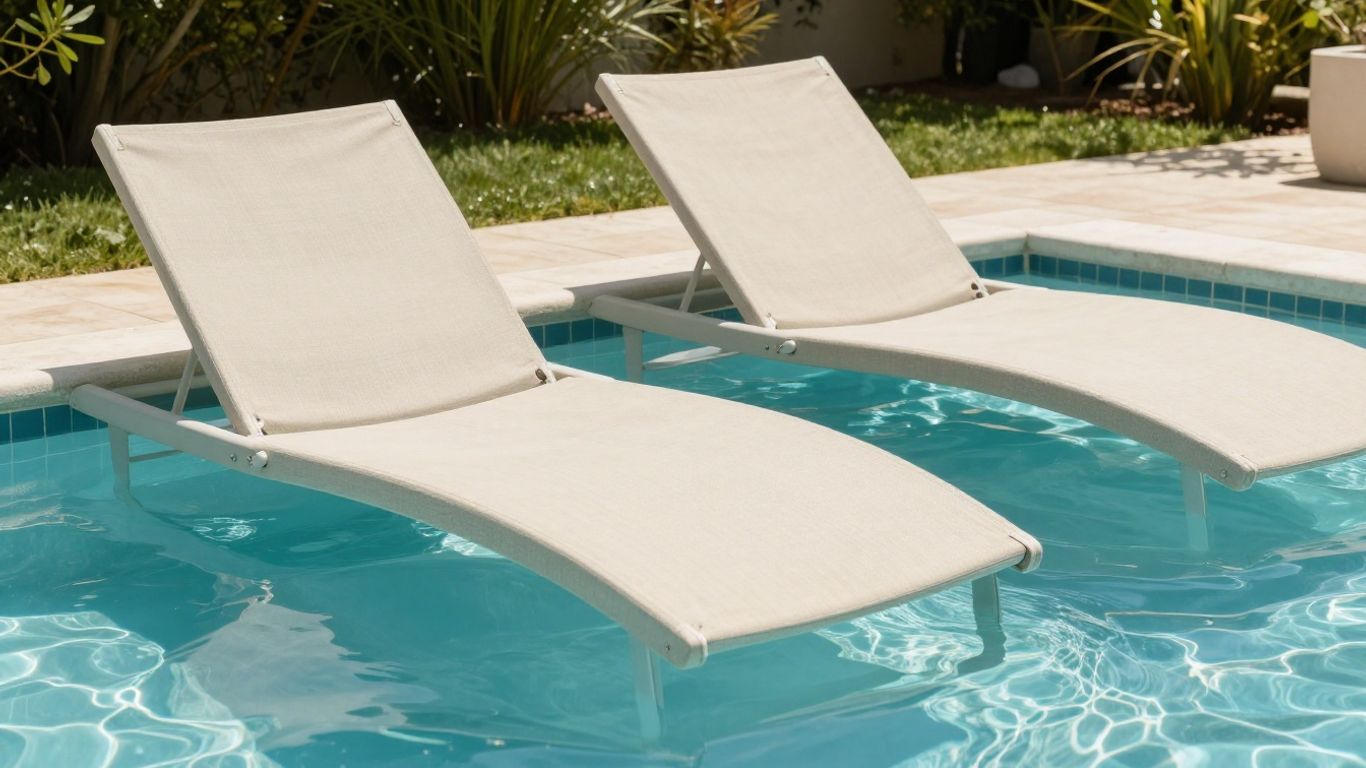
Use the stated weight capacity as a firm limit, not a target to test. Check the usable length and width, and look for any measurements that describe a seat or supporting area rather than the product’s full outline. If the float is intended for more than one person, confirm that the capacity and dimensions support that use.
Support for different lounging positions
A flat lounger, an upright seat, and a hammock-style float offer different kinds of support. Consider whether you want to read, sit with a drink, or stay partly in the water, then choose a shape designed for that position. You may also want to consider how easily you can get on and off without tipping the float.
Features that affect comfort and stability
Features such as a raised backrest, a recessed seat, or a mesh centre can change how the float feels and moves. Poolboy’s range includes designs for lying, sitting, or floating with part of your body in the water, so compare the intended position with your own preferences. Small design details are most useful when they solve a comfort or stability need you actually have.
Protect floats from wear and damage
Regular care does not need to be complicated, but it should be consistent. Rinsing away residue, letting the float dry, and storing it out of strong sun can reduce avoidable wear. The routine may differ by material, so follow the maker’s directions where they are available.
Rinsing and drying after use
After swimming, rinse away chlorine, salt, sand, or other residue that may remain on the surface. Let the float dry fully before putting it away, including around seams, folds, and closures. A simple rinse-and-storage routine can help you build these steps into the end of a swim rather than leaving them until later.
Sun exposure and storage practices
Long periods of direct sun can take a toll on many outdoor materials, so move the float into shade when it is not in use. Store it clean and dry in a place where it will not be crushed, dragged, or exposed to sharp objects. If the float deflates, check that it is fully dry before folding it for storage.
Safe inflation and handling
Inflate the float according to its instructions, and avoid adding pressure beyond the recommended level. Heat can change the pressure inside an inflatable, so do not leave it fully inflated in hot conditions unless the manufacturer says that is appropriate. A few simple habits make careful handling easier to remember:
- Inflate only to the recommended level.
- Keep the float away from sharp edges and rough surfaces.
- Avoid dragging it across concrete or abrasive ground.
- Check the valve and surface before each use.
These checks are quick, and they help you spot a problem before it gets worse. If you notice damage, stop using the float until you have checked whether it can be repaired safely.
Evaluate repairs, warranties, and value
Price is only one part of the cost of owning a float. A repairable design may be more practical over time, while clear warranty terms help you understand what happens if a manufacturing fault appears. Read the fine print before buying, especially the exclusions and the steps for making a claim.
Patch kits and repairable materials
Check whether a repair kit is included and what kinds of damage it is intended to address. Small punctures may be repairable, but damage to a seam, valve, or structural section can require different work. Follow the maker’s instructions and avoid using a repaired float if you are unsure that it can safely hold air.
Warranty coverage and exclusions
Poolboy offers a 12-month warranty covering manufacturing faults and defects; its terms exclude punctures, normal wear and tear, and damage from misuse. The warranty information also describes repair or replacement for covered faults and notes that a repair kit is included for small bladder punctures. Compare any warranty with the product’s care requirements so you know which issues are covered and which are ordinary maintenance.
Balancing upfront cost with expected lifespan
A lower price can be appealing, but it does not tell you how the float will perform after repeated use. Compare construction, care needs, repair options, and the warranty alongside the purchase price. The most sensible choice is the one that suits your setting and habits, and that you can maintain without much fuss.
Conclusion
Choosing durable pool floats comes down to matching materials and construction to your routine, then taking care of the float once it is home. Check the fit, capacity, repair options, and warranty before you buy, and store it clean and dry between swims. Those practical choices can help you enjoy a float season after season.
Frequently Asked Questions
What makes a pool float durable?
Durability depends on the materials, construction, care requirements, and how the float is used. Inspect seams, valves, and stress points, and follow the manufacturer’s instructions.
Are thicker inflatable floats always more durable?
Not necessarily. Thickness is only one detail; seam quality, valve placement, material type, and handling also affect how a float holds up.
How should I clean a pool float after swimming?
Rinse it to remove pool chemicals, salt, sand, or other residue, then let it dry fully before storing it. Follow any material-specific cleaning directions.
Can I leave a pool float in the sun?
It is better to limit prolonged direct sun when the float is not in use. Shade and suitable storage can help reduce exposure-related wear.
How do I choose the right size float?
Compare the float’s usable dimensions and stated weight limit with the person or people who will use it. Choose a design intended for your preferred lounging position.
Can a punctured pool float be repaired?
Some small punctures can be repaired if the material and manufacturer’s instructions allow it. Damage to a seam or valve may need a different solution, so check the repair guidance first.
What should I check in a pool float warranty?
Look for the warranty period, covered faults, exclusions, and the process for requesting a repair or replacement. Pay special attention to how punctures and ordinary wear are handled.