


Durable pool floats: how to choose, use, and care for a float that lasts
Key Takeaways
A float lasts longer when its materials and construction suit the way you use it. A little care between swims can make a difference, too.
- Match the float’s material and shape to your usual setting and activity.
- Check the weight limit, seams, valves, and care instructions before buying.
- Avoid dragging or overinflating a float, and limit long periods in direct sun.
- Rinse, dry, and store your float according to its material and design.
- Repair only damage that can be safely fixed, and test the repair before use.
What makes a pool float durable
Durability comes from more than a thick surface or a high price. The material, the way the float is assembled, and how well its design fits your use all affect how it holds up. When comparing durable pool floats, pay attention to the places that take the most strain, not just the parts you see first.
How material thickness affects wear and tear
A thicker inflatable surface may resist everyday scuffs better than a very thin one, but thickness alone cannot prevent a seam from splitting or a valve from leaking. How the float is used matters: a float repeatedly dragged across concrete faces different wear than one lifted carefully from the water. Look for clear material and construction details rather than relying on a general claim that a float is heavy-duty.
Comparing PVC, vinyl, foam, and fabric-covered designs
Each material brings a different balance of comfort, upkeep, and portability. Inflatable designs can pack down, while foam holds its shape without inflation; fabric-covered designs may combine a textile surface with an inflatable inner structure. If you are weighing these approaches, descriptions of pool lounge float styles can help you consider how a float’s shape and format affect its use.
| Construction | What to consider | Typical care concern |
|---|---|---|
| PVC or vinyl inflatable | Surface feel and material thickness | Scuffs, punctures, and sun exposure |
| Foam | Density and whether it is easy to carry | Dirt or wear on the surface |
| Fabric-covered inflatable | Cover, inner structure, and seams | Drying the cover and checking joins |
| Airless design | Overall shape and how it is stored | Keeping it clean and out of prolonged sun |
The table is a starting point, not a guarantee of lifespan: the quality of the construction and your routine matter just as much. Consider airless fabric designs as a separate format when comparing what is easiest to store and maintain.
Why seams, valves, and joints are common weak points
These areas are where separate parts meet or where air enters and exits, so they deserve a closer look. On an inflatable float, inspect the valve for a secure closure and check that seams look even, with no obvious gaps or fraying. A well-kept surface can still lose air through a small leak at a join, so give those details attention before each season.
How weight capacity and construction affect lifespan
A float used within its stated weight limit is less likely to be strained at its seams and joints. Check the limit for the product, and do not assume that a larger-looking float automatically supports more weight. Stable construction and a suitable shape also help the float behave as intended, reducing the temptation to use it in ways it was not designed for.
Choose a float for how you plan to use it
Start with where you will use the float and what you want to do on it. A pool lounger, a foam mat, and a float used in a lake have different demands, even if they appear similar online. A clear idea of your usual setting can narrow the choices before you compare details.
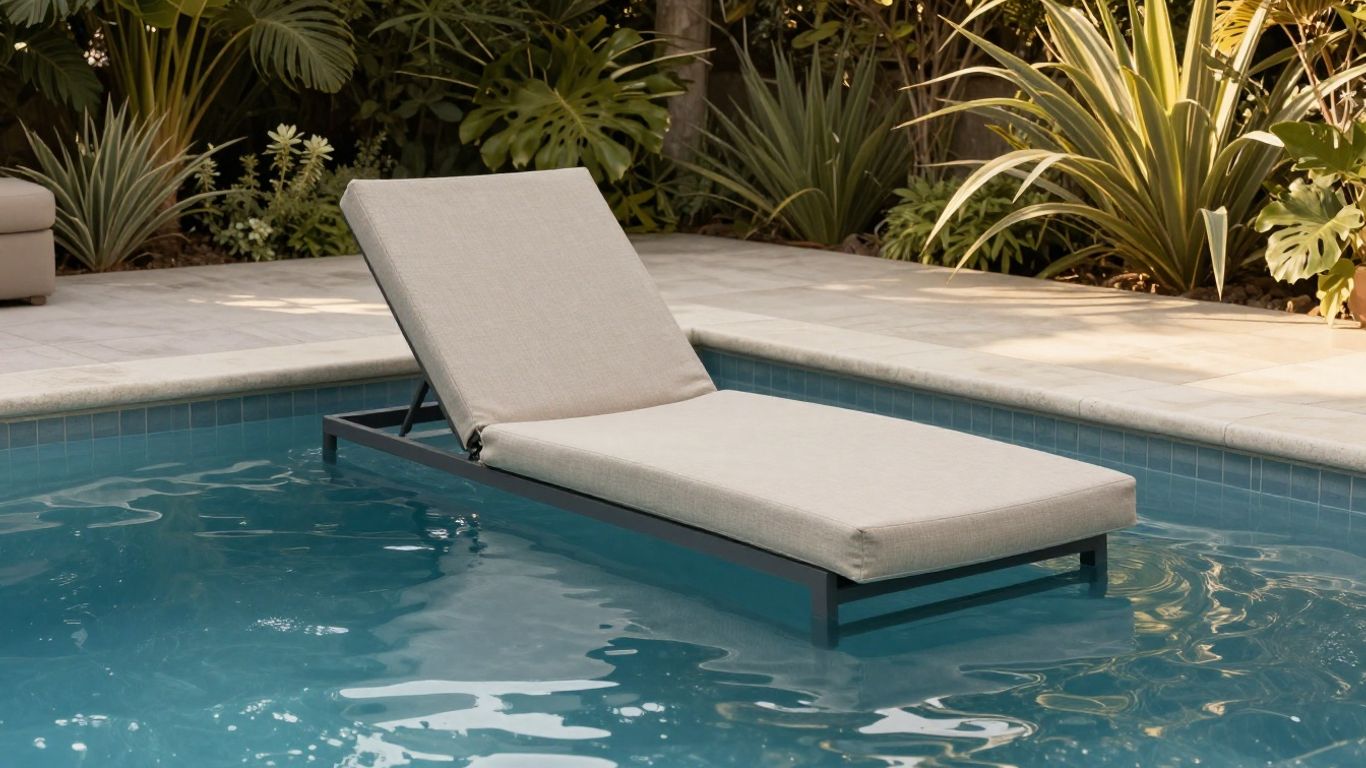
Lounge floats for relaxing in the pool
For reading or stretching out, look for a shape that supports the position you prefer and fits the pool. The Floata-Long is designed for one person to lie flat and is made with solution-dyed Olefin fabric over a welded TPU core. Its listed dimensions are 160 × 88 × 45 cm, so check the space available as well as the feel of the design.
Foam floats for frequent use and easy maintenance
Foam does not need to be inflated, which removes valve checks and air leaks from the routine. It can suit frequent use when you want a float that is ready to go, though you still need to keep its surface clean and inspect it for wear. Consider how easily it can be carried and stored, especially if it will be moved in and out of the water each day.
River and lake floats for currents and rougher conditions
A float meant for calm pool water is not automatically appropriate for a river or lake. Moving water, changing conditions, and contact with shorelines or docks can place extra demands on both the float and its user. Check the manufacturer’s intended-use guidance, and do not treat a float as safety equipment or rely on it in conditions beyond its stated use.
Kids’ floats and the extra durability considerations they require
For children, age guidance and adult supervision matter as much as construction. Choose a float that matches the child’s size and the product’s stated age range; a pool toy is not a substitute for a properly fitted flotation device. Frequent play can bring more bouncing, dragging, and contact with pool edges, so check for damage before each use.
Features to compare before buying
Product photos rarely show the details most likely to affect everyday use. Compare the specifications, construction notes, and care guidance before you settle on a design. These checks are simple, but they can help you avoid buying a float that does not suit your pool or routine.
Check weight limits and recommended user ages
Find the manufacturer’s stated weight capacity and age recommendation, then compare them with the intended user. If the information is missing or unclear, ask the seller rather than guessing from the float’s dimensions. These limits are there to help the product perform as designed, and they matter especially when a float will be shared.
Look for reinforced seams and secure valves
The words “reinforced” or “secure” are useful only when the product description explains what has been reinforced or how it is constructed. Look for close-up images and specific details about joins, valves, and closures. On the Floata-Round, the documented construction includes welded seams and a welded TPU core, with a recessed seat and bolster ring supporting its seated design.
Weigh portability against sturdiness
A float that folds or deflates easily may be simpler to carry and store, while a more substantial build can take up more room. Think about where it will live between swims and how far you need to move it. A useful comparison is not simply light versus heavy; it is whether the float’s size and construction fit your actual routine.
Read warranties and product-care instructions
A warranty can clarify what the maker considers a manufacturing fault and what counts as ordinary wear or accidental damage. Read the terms rather than assuming every puncture or scuff is covered. Care instructions are equally useful: they tell you how to clean, dry, inflate, and store the specific design you are considering.
Protect your float during regular use
Small habits can prevent avoidable wear. Pool chemicals, salt, sunscreen, friction, and prolonged sun exposure can all affect a float over time, though the effect depends on its materials and construction. A quick rinse and a little care when moving it can make the end-of-day routine easier.
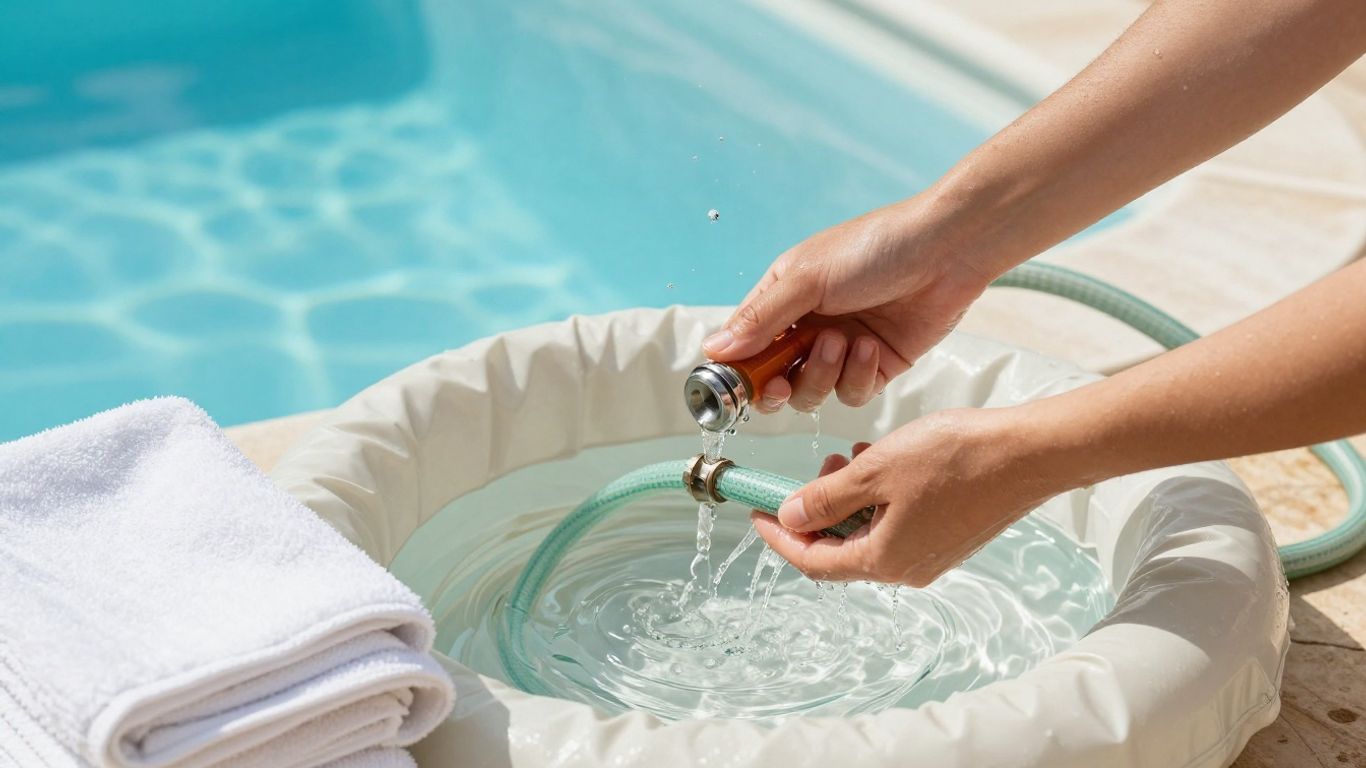
Rinse off chlorine, salt, and sunscreen
After use, rinse the float with fresh water to remove pool or sea residue and any sunscreen on the surface. Let it dry fully before putting it away, following any product-specific instructions about positioning or drying. This straightforward routine is also covered in a practical float care and storage guide.
Avoid sharp edges, rough surfaces, and overinflation
Dragging a float across paving or scraping it against a sharp pool edge can damage its surface or seams. Overinflation may also put unnecessary pressure on joins, especially as temperatures change. When you move the float, lift it where practical, and inflate it only as directed by the manufacturer.
Keep prolonged sun exposure to a minimum
A float left out in direct sun for long stretches may weather more quickly than one rinsed and stored in the shade. When it is not being used, move it away from hot paving and direct sunlight if you can. Some materials are designed to resist fading or sun damage, but that is not a reason to skip sensible care.
Follow the manufacturer’s inflation and use guidance
Inflate an inflatable float to the level specified in its instructions, and make sure the valve is closed as directed. Do not use a pump setting or technique that the maker warns against. A short routine can help you catch problems before the float goes back in the water:
- Check the surface for cuts, worn patches, or unusual bulges.
- Confirm the valve is clean and closes securely.
- Inflate gradually and stop at the recommended level.
- Keep the float away from sharp pool edges and rough ground.
That quick check is especially useful when a float has been in storage for several months. If you are unsure whether it is holding air, test it out of the water before anyone climbs aboard.
Store and maintain durable pool floats
Good storage begins when the float comes out of the water, not when summer ends. Clean off residue, let the float dry, and follow the storage instructions for its material. A dry, shaded place is generally a better choice than a hot shed or a damp corner, but the manufacturer’s guidance should take precedence.
Clean and dry floats before putting them away
Rinse away chlorine, salt, and sunscreen, then allow the float to dry completely. Moisture trapped in folds or around a fabric cover can lead to unpleasant smells or damage over time. If the design has a recommended drying position, use it rather than folding the float away while damp.
Deflate and fold inflatable designs without creasing them tightly
If the instructions recommend deflation, let the air out gently and fold the float loosely along natural lines. Tight creases put repeated pressure on the same areas and may contribute to wear. Avoid placing heavy items on top during storage, and keep the valve clean and unobstructed.
Store foam and fabric floats in a cool, shaded place
Foam and fabric designs do not all store in the same way, so check the care notes for your particular float. A cool, shaded, dry space helps avoid unnecessary heat and sun exposure. If you have a fabric-covered float, make sure it is clean and fully dry before putting it away.
Inspect seams, valves, and surfaces between uses
A brief inspection before the first swim of the season can reveal damage that was easy to miss at the end of the last one. Check seams, valves, fabric, and any exposed joins; look for changes in shape or areas that feel unusually soft. Catching a small issue early gives you time to decide whether a repair is suitable.
Repair or replace a worn pool float
A slow leak or small surface puncture may be repairable, but not every fault is a safe fix. Start by identifying where the damage is and checking whether the manufacturer offers a repair kit or specific guidance. If the float supports a person in the water, err on the side of caution when damage affects its stability or ability to hold air.
Identify punctures, seam leaks, and valve problems
Inflate the float according to its instructions and listen for escaping air near the valve and seams. For a suspected puncture, check the surface carefully; a small leak may be difficult to spot by sight alone. If the valve is loose, cracked, or not closing properly, a patch on the body of the float will not solve the underlying issue.
Use repair materials compatible with the float’s material
Repair patches and adhesives are not interchangeable across every material. Use only a product approved for the float’s surface or inner bladder, and follow its directions for cleaning, application, and curing. If the maker offers a repair kit or service, consult that guidance before trying a general-purpose adhesive.
Test patches before returning a float to the water
After the repair has cured for the full time specified, test the float in a controlled setting before anyone uses it. Check whether it holds air and whether the patched area remains secure. If the leak returns, the patch lifts, or the float changes shape, take it out of service until you can assess the problem.
Know when damage makes continued use unsafe
Replace or retire a float if a seam has split substantially, the structure is distorted, or a repair cannot hold. A damaged float should not be trusted to support someone in water, and it should never be treated as a life-saving device. When the condition is uncertain, choosing not to use it is the safer call.
Conclusion
Choosing a float that suits your setting, checking its construction, and caring for it between swims are practical ways to get more use from it. Follow the maker’s guidance, inspect the parts that take strain, and retire a float when its condition no longer feels safe.
Frequently Asked Questions
What makes a pool float durable?
Durability depends on materials, construction, intended use, and care. Check seams, valves, weight limits, and how the float is meant to be stored.
Are thicker pool floats always more durable?
Not necessarily. A thicker surface may resist some scuffs, but weak seams, a faulty valve, or unsuitable use can still shorten a float’s life.
How often should I inspect my pool float?
Check it before each use, especially after storage or rough handling. Look over its surface, seams, and valve for damage or changes in shape.
Can I use a pool float in a lake or river?
Only if the manufacturer says it is suitable for that setting. Currents and changing conditions can make open water very different from a calm pool.
How should I clean a pool float after swimming?
Rinse it with fresh water to remove chlorine, salt, and sunscreen, then let it dry fully. Follow any material-specific care instructions.
Should I deflate an inflatable pool float for storage?
Follow the manufacturer’s directions. If deflation is recommended, release the air gently and store the float loosely folded in a clean, dry place.
Can a punctured pool float be repaired?
Some small punctures can be patched with materials compatible with the float, but a damaged seam, valve, or unstable structure may make continued use unsafe. Test any repair before returning the float to the water.